Social media dominates our lives more than we think it does. There aren’t many of us who can go about our day doing anything productive or fancy without thinking about sharing it on social media first. It has become such a big part of our lives that it’s hard to stay away from it. We live in a time where social media addiction is real. While the research studies on this continue, it goes without saying that social media may tend to do more harm than good from a mental health perspective.
Let’s take Instagram for example. Instagram allows us to be creative in means that was never possible before. It’s a great place to take inspiration from because of the sheer number of accounts catering to literally everything under the sun. For those of us who may not be creatively gifted, it’s a great medium to share things about our lives with our loved ones. Yet, many of us fall into the trap of comparing ourselves and our lives with others’ and focusing on how we are falling behind. Even though everything that we see is just 5 minutes of a person’s day, we immediately tend to attach an identity to them and assume that we know everything about their lives. Subconsciously, we all know this, but we can’t seem to stop ourselves.
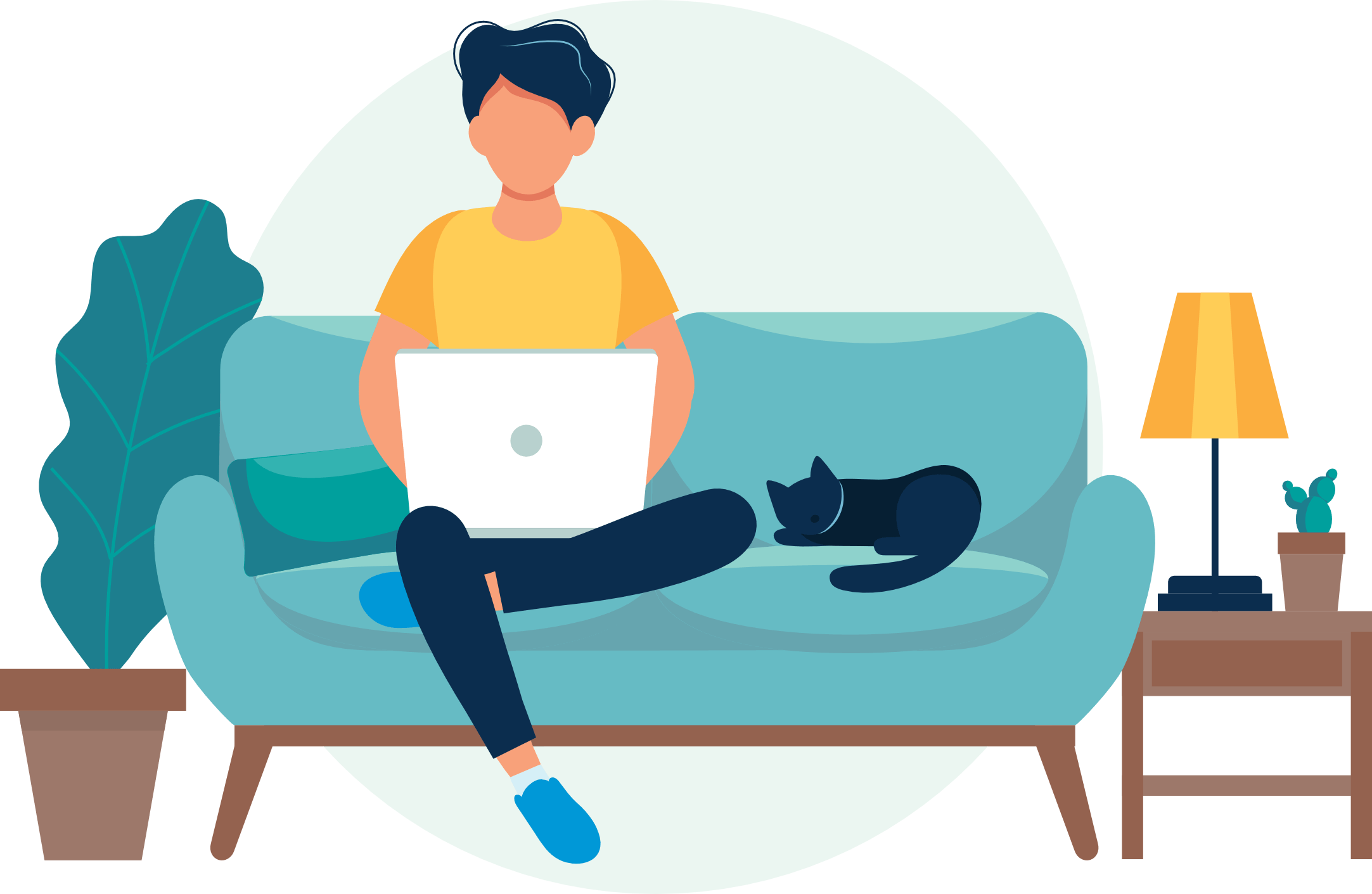
As much as we’d like to avoid becoming a slave to our smartphones, digital detoxes are much harder for those of us who work on our phones. From project submissions to work mails, it becomes increasingly difficult for us to just switch our phones off as we move from one stage of life to another. Logging off from all social media is also hard because we’re so used to the mindless scrolling and story-watching as a way to alleviate boredom. Not doing so brings in what they call, FOMO.
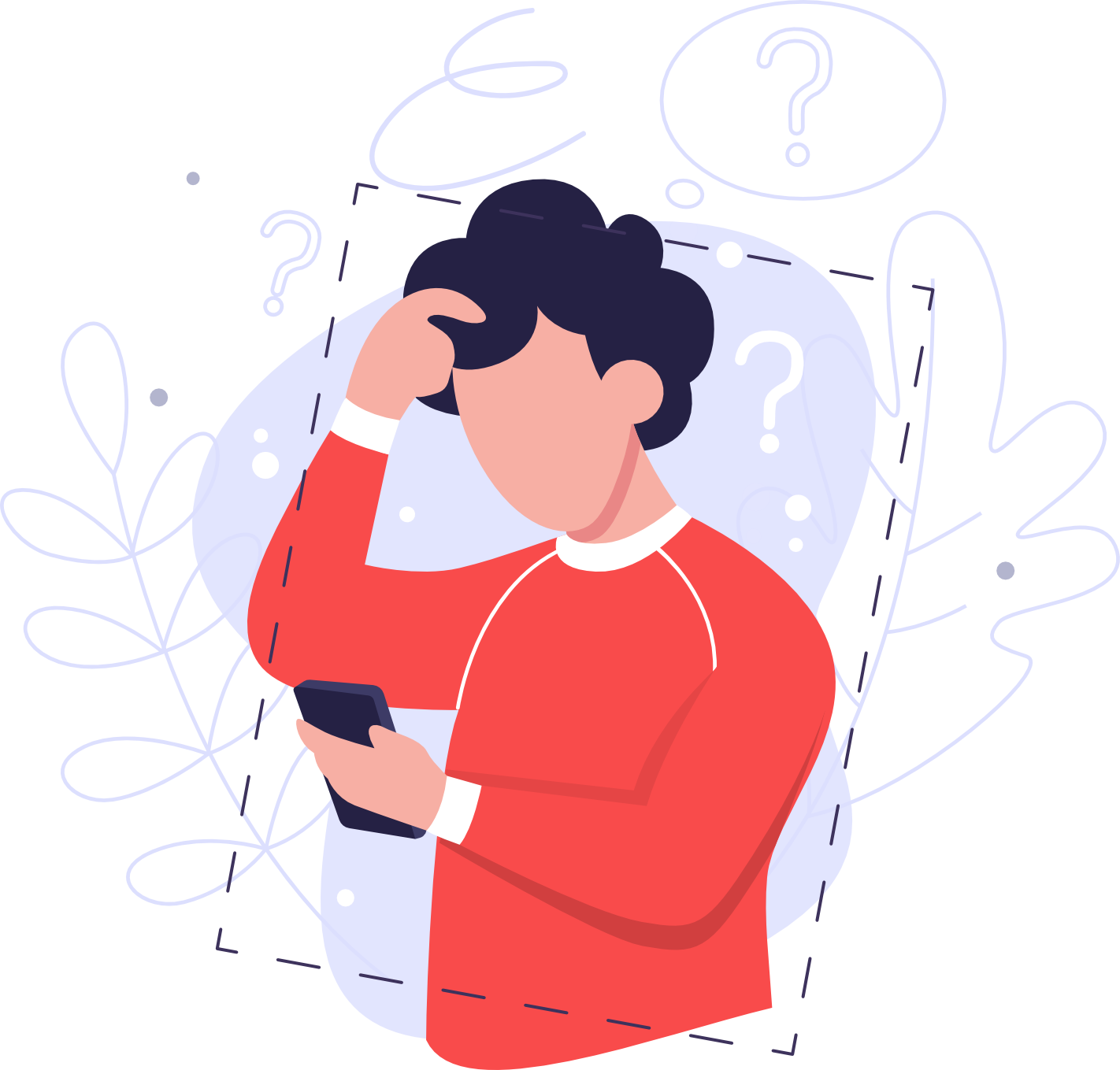
So, where do you find that balance of using social media while still not falling into that dangerous rabbit hole of comparison and insecurity?
The article above is a guest post written by Trishala Hansdah. You can reach out to the author personally here. If you’d like to contribute to our resources through illustrations, stories or poems around mental health or self-care, reach out to us here. The opinions expressed & links embedded in this post are those of the authors. They do not purport to reflect the opinions or views of TheMindClan.com or its team.
Information on the Site is provided for informational and educational purposes only. It should not be considered as medical advice, whether toward diagnosis or treatment of a psychological or physical health problem, or for prescribing medication.
We are constantly adapting and evolving our style of writing and manner of conveying content through processes of feedback, learning, and growth. If you have any thoughts about the article or would like to flag an inaccuracy with us, feel free to write to us on our email address. We’re always open to receiving feedback and figuring out ways to make our content more respectful, relatable, and resonant.