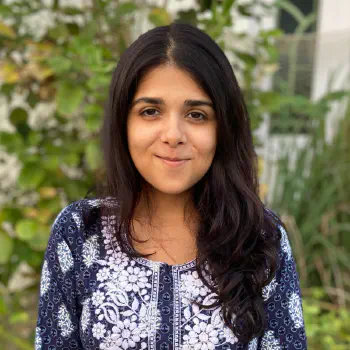
When I was younger I went through a lot of painful, confusing experiences and difficult feelings. This was at a time when the mental health movement was not even in its infant stages. I did not receive the help and guidance I needed at the time to help me avoid a lot of bad decisions and suffering. This is why I chose to go into this field, to better understand my own past and be able to help those who are suffering as I did.
I get to meet so many unique, dynamic individuals and learn about their thoughts and experiences. I learn as much if not more from my clients than they do from me.
In my first session with clients I aim to make my clients feel safe and welcomed. The first session is usually about rapport building - getting to know my client, and also answering some questions the client may have about me. I would like the first session to feel like they have boarded a train and have started their journey towards healing, I am merely a co-passenger with them.
I like to think counselling is for everyone, no matter the presenting concern or even if there is no specific presenting concern. Think of it as a conversation with someone who is going to listen, ask the right questions and offer different perspectives on your experiences.
My approach, while maintaining the necessary boundaries is quite open and friendly. My clients do feel that I am invested in their journeys, which I very much am. My therapy space is where my clients feel free to lay their hearts bare and take their masks off.
I think I have learned so much about resilience and the power of gratitude in carrying us through the dark times. I have learned that there seldom is a black and white situation, and that experiences, relationships and people are so multicoloured.
I am very patient, and I have an excellent memory, I remember the smallest details of what my clients tell me and this really makes them feel truly heard.
Cooking, watching netflix, online window shopping, playing with my pets and engaging in philosophical discourse with my friends.
I take an integrative approach - talk therapy that applies aspects of cognitive therapies, behaviour therapies (addressing thought and behaviour patterns and how they relate to our emotions) as well as other schools like existential psychotherapy and humanistic approach.
My therapy space is open to all human beings, regardless of how they feel internally or how they look externally. The human experience is unlike any other living being - each of us have our own mental fingerprint -formed through our life experiences.
To keep myself informed, I have discussions with my colleagues and contemporaries to understand the evolving approaches to mental health and the queer community,
Heidegger believed that there are two fundamental modes of existing in the world: a) a state of forgetfulness of being & b) a state of mindfulness of being.
Hit the button below, ask questions, clear doubts or anything else you might need to clarify. Youβve got this! π
Profile details
Learn about their approach, specialties, and how they can support your mental health journey.
Take the first step by reaching out and start a conversation about your needs.
Determine if this is the right match for you and plan your journey forward.
Not finding what you're looking for?
View other profilesWhile we carefully curate our listings, we encourage you to make your own informed decisions. Take time to research, ask questions, verify credentials and choose what feels right for you. Your comfort and safety is top priority.
We've developed a curation process over 7+ years, which allows us to carefully curate each inclusive and affirming mental health provider listed on our platform.
We have come a long way since we started in 2018, and have been adapting our curation process every day. From the time a therapist or support group reaches out to us, it takes about 1 - 2 months to complete the process.
We launched TheMindClan.com because we know firsthand how challenging it can be to find support for ourselves and our loved ones. We know that experiences of neurodivergence (like dyslexia, ADHD, autism, etc), or being from a marginalized community (LGBTQIA+, etc), can make it especially challenging to find support.
We understand the overwhelming feeling of scrolling through endless lists, wondering whom to trust, and not knowing what to expect.
If you appreciate our mission of making mental health care accessible and inclusive, and would love to bring this to your organization or collaborate with us, we'd be delighted to hear from you!