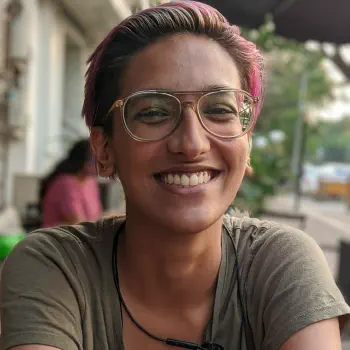
I was always intrigued by the mind as a child, and I wanted to study the brain. Difficult life experiences during my teens exposed me to the importance of emotional support and empathy, and I wished to be equipped to pass on the kind of emotional support that I once received as a teen which saved my life.
The journeys I am able to witness as my clients’ co-traveller, their resilience, their willingness to learn and grow, and the strength they uncover in the process, all of it is extremely fulfilling and inspiring to me.
I usually urge prospective clients to use our first session as a way to gauge if my method of conversing with them, my style, the topics we touch upon, and the energy created between us matches their expectations of what therapy looks like for them. I wish to create a space where they feel safe, affirmed, and encouraged to speak their truth with ownership.
I would tell them that there are no right or wrong reasons to seek therapy. At its worst, therapy will lead to greater self awareness, even if it does not guarantee you the results you were seeking.
I genuinely believe that there is no greater expert in a therapy session than the client, about their own life. I have an eclectic and non-directional approach, which means I rely on the feedback given to me by my clients to tweak and tailor-make interventions that work for them. I mix techniques and strategies from different schools of psychology to make a more intuitive and personal coping mechanism for each of my clients.
The human tendency to hope for better times is the strongest motivator for effort, is a lesson I have learned through my clients. Another realization is that I can never know nearly enough about mental health or illness to ever feel overconfident in my approach.
My eclecticism, approachability, and queer-trans identity are my most valued strengths that contribute greatly towards my practice.
I like to draw, dance, watch movies, sing along to music, and read fiction. A lot of the popular culture I consume also finds its way into the therapy room as analogies and references.
I use an eclectic approach which means that I do not subscribe completely to one single school of psychology as I do not believe in a universal intervention that works for everyone. I believe in a collaborative intervention, designed with feedback and understanding from the client, and altered to fit their unique needs at the time.
My emails always carry my pronouns at the signature. As a queer-nonbinary person myself, I think it is extremely important to be visible as a service provider for the community, so that they may see that there are people like us everywhere. I research and write articles drawing from personal experience and then connecting it to evidence-based information that can debunk misconceptions and maybe help queer and trans* individuals feel less isolated.
The truth will set you free, but first it'll piss you off
Hit the button below, ask questions, clear doubts or anything else you might need to clarify. Youβve got this! π
Profile details
Learn about their approach, specialties, and how they can support your mental health journey.
Take the first step by reaching out to start a conversation about your needs.
Determine if this is the right match for you and plan your journey forward.
Not finding what you're looking for?
View other profilesWhile we carefully curate our listings, we encourage you to make your own informed decisions. Take time to research, ask questions, verify credentials and choose what feels right for you. Your comfort and safety is top priority.
We've developed a curation process over 7+ years, which allows us to carefully curate each inclusive and affirming mental health provider listed on our platform.
We have come a long way since we started in 2018, and have been adapting our curation process every day. From the time a therapist or support group reaches out to us, it takes about 1 - 2 months to complete the process.
We launched TheMindClan.com because we know firsthand how challenging it can be to find support for ourselves and our loved ones. We know that experiences of neurodivergence (like dyslexia, ADHD, autism, etc), or being from a marginalized community (LGBTQIA+, etc), can make it especially challenging to find support.
We understand the overwhelming feeling of scrolling through endless lists, wondering whom to trust, and not knowing what to expect.
If you appreciate our mission of making mental health care accessible and inclusive, and would love to bring this to your organization or collaborate with us, we'd be delighted to hear from you!