Mehar is part of our handpicked list of therapists 🤗
Carefully curated
Peer-referred
Reach out directly. No Gatekeeping.
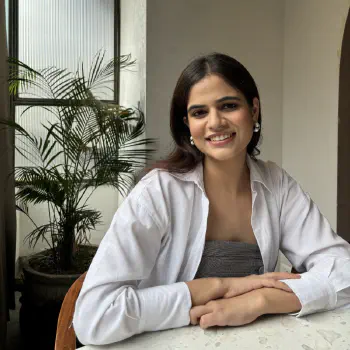
Mehar (She/Her) is a 28 year old mental health therapist from Mumbai. They practice online.
Fee breakdown:
PS: Mehar’s practice details were last updated on 22 May 2024, and are waiting for them to let us know if these are still accurate. In case you find out that the details on this profile aren’t accurate, please let us know! 🙂
Being a therapist was as much a professional choice as a personal one. Through the years of studying psychology and engaging with professionals in the field, I experienced my own personal growth and found meaning through the work, and that was a big part of what drove me to be a therapist. Further, I also came to see therapy as a space with potential not just for personal change but also for empowerment and advocacy, which was a big part of my motivation to be a therapist.
The relationships I get to build with my clients are at the heart of my work as a therapist. It’s a privilege to be trusted with people’s stories and I don’t take that position lightly. I love that I get to accompany my clients in their process of making sense of and seeking agency over their lives; and that in a world where we are constantly expected to do more, as therapists, we can offer a space to pause and look within.
After a first session with me, I hope that clients take away a feeling of being heard, feeling safe and not judged; as well as a sense of hope regarding the concerns that brought them to therapy.
I’d tell them that I know it’s not the easiest step to take. Reaching out takes effort and courage, and I’d want to acknowledge that. I’d tell them that therapy is about creating a space for them, which is why they have a say in what goes on in the process. And finally, I’d say that if you’ve been thinking about therapy, then even starting with one session might be worth a shot!
I strive to hold the therapy space with regard and respect. I want to build a relationship with my clients where they can experience authenticity, compassion as well as accountability and transparency. In my experience, therapy works when it is truly collaborative, and I strive for that by inviting curiosity into the therapy space, asking questions rather than assuming, and seeking feedback about the therapy process itself.
Through my interactions with my clients, I’ve learnt the value of showing up for yourself even when it feels extremely difficult. I’ve witnessed how we are always responding to and resisting adversity, and how even in the face of hopelessness, hope does preserve. But I think most of all, my work as a therapist has affirmed the value that relationships hold in each of our lives.
I feel that my strengths lie in my authenticity, and a genuine care for my clients. I deeply value the trust they place in me and strive to honour that trust through honesty and transparency. With that being said, I recognise that I may also have my own biases or emotions that come up in therapy and I work to ensure that they do not impede the progress of therapy. I also value my ability to stay in tune with my clients emotions, work through vulnerable emotions with compassion and curiosity; and reflect on the relational dynamics between the client and therapist.
In my free time, I enjoy reading, spending quality time with my friends, drinking coffee, practicing yoga and keeping up with my favorite vloggers on YouTube!
Over the years, I have come to understand how our lives are vastly shaped by the identities we hold as well as our socio-cultural contexts, and this is a lens that I bring into the therapy space.
I also draw from narrative practices, trauma informed approaches and a relational approach to therapy. This means that I look at an individual’s concerns within the unique context in which they are located, as well as the unique skills, values and strengths that they hold. I also bring about an understanding of how adverse experiences or traumatic events influence our nervous systems, and how we can learn to make sense and renegotiate the impact of these experiences on our bodies and lives. Finally, I bring to the sessions an understanding that relationships are at the core of our well-being. Therefore, I help clients in tracing and understanding patterns in their relationships (including the therapist-client relationship) and their role in these patterns, in order to move towards healthier and more fulfilling relationships.
By recognising that being queer-affirmative goes beyond being queer-friendly, it means actively creating space for my client’s identity, recognising their unique life stressors, and bringing in conversations about the systems that marginalize and harm queer people. In the same attempt, I try to educate myself and constantly update myself on the concerns of the community through reading and trainings that align with these values, introspect on my own biases or shortcomings as a cis-gendered woman, and keep up with resources available for queer individuals that could be helpful for clients.
Rarely, if ever, are any of us healed in isolation. Healing is an act of communion. – Bell Hooks
Hit the button below, ask questions, clear doubts or anything else you might need to clarify. You’ve got this! 🙂
Learn about their approach, specialties, and how they can support your mental health journey.
Take the first step by reaching out and start a conversation about your needs.
Determine if this is the right match for you and plan your journey forward.
Not finding what you're looking for?
View other profilesWhile we carefully curate our listings, we encourage you to make your own informed decisions. Take time to research, ask questions, verify credentials and choose what feels right for you. Your comfort and safety is top priority.