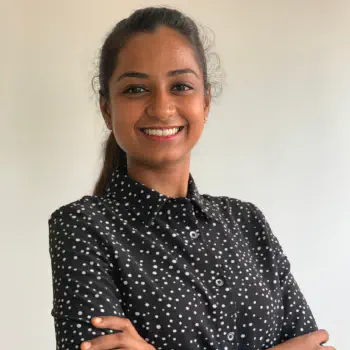
I was able to witness how people felt held back internally from living their authentic lives because of certain incidents that happened to them in their life’s journey, and yet a part of them is always wanting, pushing, and enabling them to connect with their authentic self-expression to live a full life. This inspired me to get qualified as a counsellor, so that I could hold safe spaces for self-exploration and transformation.
Seeing people’s resilience and how creatively they have coped with and navigated their lives. To witness and nurture the strength and desire that lives within them as they break out of limiting thoughts, emotions, and behaviours. There is a sense of empowerment that excites me in my work as a counsellor.
To be seen and heard. A feeling of relief that comes from unburdening what they have been carrying by themselves and, maybe, one or two exercises on how to soothe their nervous system and move into a state of calm.
Your journey into self-transformation has already begun when you started thinking about your own needs, desires, and wellness. Counseling is the next step in the process, where you work with a qualified mental health professional who assists you in this journey.
Counselling is not only for people struggling with mental health distress but also for people who want to thrive.
The process of counselling leaves one with increased self-awareness, an improved relationship with oneself, and also provides a space to process life incidents that are unconsciously keeping one stuck.
I wish to build a relationship characterised by transparency and safety, where the client’s consent and choice are prioritised. A relationship where they can communicate authentically by giving feedback on what is working and what is not working without having to feel any power dynamics.
Through my work with clients, I’ve witnessed the remarkable resilience of the human spirit, reaffirming my belief that it’s never too late to initiate positive change and growth.
My strengths as a counsellor include empathy, communication skills, continuous learning, and creating a safe environment for clients.
Being with nature, listening to music, painting, reading, and watching documentaries.
I adopt an integrative approach, addressing both mind and body to facilitate change for clients. Specializing in trauma-trained therapy, my depth-oriented practice integrates Attachment Theory, Relational Gestalt, and Somatic Psychotherapy.
Please find below how I use the therapies in my practice:
Trauma-trained - Understanding struggles of the individual in the context (micro & macro systems) of their lived experiences - wounds encountered, support available, and how they have impacted the nervous system. Working on the trauma directly for the purpose of integrating the deeply ingrained physiological and psychological responses that result from unintegrated trauma. Facilitating this process in a sensitive manner to avoid retraumatization.
Attachment Theory and Relational approach - Exploring the quality of relationships one has experienced in their life. Understanding how these experiences have left imprints that continue to influence one’s relationship with themselves and others.
Depth-oriented - This involves exploring the unconscious, bringing to light parts of the self that have been hidden, and integrating them over time.
Somatic therapy - Working at the body and nervous system level to help understand and navigate the imprints of past experiences that are held in the body. Here, I work with the sensations and emotional energy of the past held in the body and empower the client to integrate and move through these sensations.
In my therapeutic practice, I ensure a safe and affirmative space for queer and trans individuals by using inclusive language, respecting chosen names and pronouns, and educating myself about LGBTQ+ identities and experiences. I prioritize active listening, non-judgmental support, and validation to foster trust and promote healing within our therapeutic relationship.
Trauma is not what happens to us, but what we hold inside in the absence of an empathetic witness.
Hit the button below, ask questions, clear doubts or anything else you might need to clarify. You’ve got this! 🙂
Profile details
Learn about their approach, specialties, and how they can support your mental health journey.
Take the first step by reaching out to start a conversation about your needs.
Determine if this is the right match for you and plan your journey forward.
Not finding what you're looking for?
View other profilesWhile we carefully curate our listings, we encourage you to make your own informed decisions. Take time to research, ask questions, verify credentials and choose what feels right for you. Your comfort and safety is top priority.
We've developed a curation process over 7+ years, which allows us to carefully curate each inclusive and affirming mental health provider listed on our platform.
We have come a long way since we started in 2018, and have been adapting our curation process every day. From the time a therapist or support group reaches out to us, it takes about 1 - 2 months to complete the process.
We launched TheMindClan.com because we know firsthand how challenging it can be to find support for ourselves and our loved ones. We know that experiences of neurodivergence (like dyslexia, ADHD, autism, etc), or being from a marginalized community (LGBTQIA+, etc), can make it especially challenging to find support.
We understand the overwhelming feeling of scrolling through endless lists, wondering whom to trust, and not knowing what to expect.
If you appreciate our mission of making mental health care accessible and inclusive, and would love to bring this to your organization or collaborate with us, we'd be delighted to hear from you!