Mrigtrishna is part of our handpicked list of therapists 🤗
Carefully curated
Peer-referred
Reach out directly. No Gatekeeping.
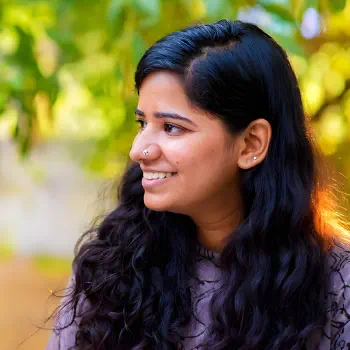
Mrigtrishna (She/Her) is a 32 year old mental health therapist from Jaipur. They practice online and offline from Vaishali Nagar.
I was moved by the experience of being a caregiver to someone, who struggled for the major part of their life, having tried everything possible, no body in our circle knew that a concern like this needs to for to a mental health professional. If only we had that awareness perhaps we could have reduced the struggle of the person and the people around them, this was followed by a bad experience with a mental health professional which again ended up doing more harm, all of this inspired me to to become a mental health professional.
I really enjoy working on Mental health awareness, using different mediums like art, painting, movie screening, music, play which helps bring people together and connect with each other. I also deeply enjoy creating safe spaces of expression and understanding mental health. I also love that I get to work with different emotions in the therapy room, and supporting people in understanding themselves and expressing themselves.
To get an a brief experience of what my approach to therapy is; an understanding / perspective of their concerns and an understanding of how can I support them in their journey through my work.
I would tell a client who is considering seeking counseling that taking this step is a sign of strength and self-awareness. It’s an opportunity to gain deeper insights into your thoughts, feelings, and behaviors, and to work through challenges in a supportive environment. Therapy offers a space where you can explore what’s been weighing on you, develop healthier coping strategies, and ultimately, work toward your personal goals and growth. It’s a collaborative process and it taker strength to reach out for help, specially with so much stigma around psychotherapy and mental health
In the beginning of the therapy process, I explain about therapy being a collaborative journey and talk about what can they expect and what how can they be a part of this collaborative journey. I encourage open communication, where they can share their thoughts and feedback about the process. I also check in regularly to see how they feel about the progress we’re making and adjust if needed. By co-creating the therapy experience, I attempt to ensure that the work is aligned with the needs and values of the person I am working with, making the process more meaningful and effective for them. I aim to build a relationship that is grounded in trust, respect, and empathy. I want my clients to feel safe, heard, and understood in our sessions.
At this point I would say one that I re learned was the beauty and impact of being oneself and taking up space. I added a small library in the office room which I thought a lot about, wondering how would these books and stories impact the people I work with, and to my surprise those books became a part of so many people’s healing journey. There were some people who loved reading, some people who wanted to get back to reading, people who started exploring reading for the first time and started enjoying it and some who know they don’t like reading but they like having these books in the space and sometimes relate to a title or the other. It’s almost contagious and now the same thing is happening with paiting as well. There are a lot of things people have said in their sessions that stayed with me, like a young adult who spoke about how he addressed patriarchy at home by insisting on being equally involved in household work as his mother and insisted on it till it became acceptable at his home. I have also learned a lot about myself and my social identity.
Empathy, attempt to create safe spaces of expression, bringing together various forms of arts and crafts together (need based only) in my work with people and communities. And I deeply enjoy creating more open conversations around mental health.
I enjoy exploring art like painting using different mediums, exploring historic and mythological stories, I love learning about different cultures, stories and I deeply enjoy spending time in nature ,clicking pictures, cooking gardening flowers and reading.
My approach to individual psychotherapy is psychodynamically informed, and is supportive and collaborative in nature which helps one recognize how their experiences and relationships have impacted them. Through a reflective process I aim to support them in understanding your patterns in various aspects of their life.
I do try to create a supportive space for people from LGBTQ+ community, where right at the beginning I ask them what are their pronounces and have a conversation about how their gender identity has impacted their experiences and journey. I also try to talk about how my gender can play a role in the therapy room, but for me it’s still a learning process and I need to go a long way.
We need to dig deeper, to look at people's context to understand mental health and mental health concerns of people.
Hit the button below, ask questions, clear doubts or anything else you might need to clarify. You’ve got this! 🙂
Learn about their approach, specialties, and how they can support your mental health journey.
Take the first step by reaching out and start a conversation about your needs.
Determine if this is the right match for you and plan your journey forward.
Not finding what you're looking for?
View other profilesWhile we carefully curate our listings, we encourage you to make your own informed decisions. Take time to research, ask questions, verify credentials and choose what feels right for you. Your comfort and safety is top priority.
We've developed a curation process over 7+ years, which allows us to carefully curate each inclusive and affirming mental health provider listed on our platform.
We have come a long way since we started in 2018, and have been adapting our curation process every day. From the time a therapist or support group reaches out to us, it takes about 1 - 2 months to complete the process.
We launched TheMindClan.com because we know firsthand how challenging it can be to find support for ourselves and our loved ones. We know that experiences of neurodivergence (like dyslexia, ADHD, autism, etc), or being from a marginalized community (LGBTQIA+, etc), can make it especially challenging to find support.
We understand the overwhelming feeling of scrolling through endless lists, wondering whom to trust, and not knowing what to expect.
If you appreciate our mission of making mental health care accessible and inclusive, and would love to bring this to your organization or collaborate with us, we'd be delighted to hear from you!