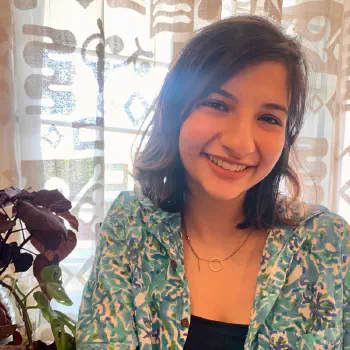
Being a therapist has always been more than a career choice to me. As a young Queer teenager, seeking mental health support, I wish I had access to professionals who understood my needs and unique circumstances. As a novice therapist, many of my efforts were training myself to become the kind of therapist I had needed. Over the years, I’ve grown to realise that each client is unique and so are their needs from therapy. I’ve learned to hold space in different ways and mould my approach into what each individual needs from the therapy space.
The beauty of being a therapist is that no two sessions are ever the same. The therapy space is co-created and made anew each time. Being a therapist is a process of endless growth and learning - not only about therapy and psychology, but also about myself.
I also believe that being allowed to see through a window into people’s lives to witness and honour their stories is an immense privilege.
I would hope for my client to have a sense of what our upcoming sessions would feel like, a clearer understanding of the concerns they’d like to work on and of course, to feel understood and supported by me. I would hope for them to have clarified any doubts, hesitations or reservations they may have had about therapy.
I think the first thing that comes to mind is that therapy is a slow, gradual and collaborative process. The changes and shifts that happen about through their journey in therapy may even go unnoticed by a client initially. This is because some of our patterns have developed for many, many years. This doesn’t mean therapy is ineffective or that movement isn’t happening. I’d like to invite people in to the therapy space with patience, gentleness and curiosity towards themselves and their inner landscape.
I hope to build a trusting, collaborative and respectful relationship with my clients. In addition to my other therapeutic modalities, I also believe in being non-directive and client-centered in my approach. This means that my client’s needs and requirements are always at the center of our conversations. My clients choose what we speak about and I ensure I make it clear to my clients that they are free to decline to answer any of my questions and take things at their own pace.
The greatest learning from my clients has been that people are always responding to their problems, finding ways to cope and taking steps toward preferred ways of being. I’ve also learned many unique skills my clients have in caring for themselves and their communities.
Something I really value about myself as a counselor is that I bring my personhood and politics into the therapy space with me. This means that therapy is also political, it involves an element of activism for me. Bringing systems of oppression to client’s notice is an integral part of my work. Other strengths I value include my respect and curiosity about clients and their inner landscape.
In my free time, I alternate between reading literature about intersectional mental health and watching the cringiest reality t.v. I can find on the internet. My other interests include writing and painting. In case I am doing none of the above, I am likely plotting how to queer everything or demanding affection from reluctant cats.
I use a narrative, strengths-based approach to therapy and deeply believe that ’the person is not the problem’. This means that we’ll also be exploring coping skills, strengths and hopes of my clients in our conversations. Narrative therapy is also political, because it explores the ways in which oppressive systems contribute to our problems.
I also use an trauma-focused approach called Internal Family Systems, which holds that we each have ‘parts’ of ourselves which interact with eachother. Parts work involves developing a deeper understanding of parts of ourselves. It is, in part the process of developing compassion and curiosity toward these parts.
Finally, I also bring a relational framework to the therapy spaces where I explore the relationship between myself and the client and frequently check-in with my clients about the dynamic between us.
I use these approaches with couples and individuals both. For my couples sessions, I also draw from the work of Gottman and Esther Perel.
As someone who is queer myself, I strive to make the therapeutic space safe for other members of the LGBT+ community. The word ‘queer affirmative’ has become a bit of a buzzword in mental health circles, but when I say I am an affirmative practitioner, here are some things you can expect from our sessions together - I don’t assume people’s gender or sexuality and recognise them as fluid, evolving constructs.
Beyond condemning queer-negativity, I actively support and even celebrate my client’s Queerness and am often curious about how it may interact with their other identities and experiences. I recognise that queer peoples mental health is affected by harmful normative systems and take note of any current socio-political issues which are affecting the Queer community. The Queer community is diverse and not monolithic, so I am committed to continuing to learn and grow as a queer affirmative professional.
The core of our therapeutic work lies in the shedding of internalised oppression, sexism and victimisation
Hit the button below, ask questions, clear doubts or anything else you might need to clarify. Youβve got this! π
Profile details
Learn about their approach, specialties, and how they can support your mental health journey.
Take the first step by reaching out to start a conversation about your needs.
Determine if this is the right match for you and plan your journey forward.
Not finding what you're looking for?
View other profilesWhile we carefully curate our listings, we encourage you to make your own informed decisions. Take time to research, ask questions, verify credentials and choose what feels right for you. Your comfort and safety is top priority.
We've developed a curation process over 7+ years, which allows us to carefully curate each inclusive and affirming mental health provider listed on our platform.
We have come a long way since we started in 2018, and have been adapting our curation process every day. From the time a therapist or support group reaches out to us, it takes about 1 - 2 months to complete the process.
We launched TheMindClan.com because we know firsthand how challenging it can be to find support for ourselves and our loved ones. We know that experiences of neurodivergence (like dyslexia, ADHD, autism, etc), or being from a marginalized community (LGBTQIA+, etc), can make it especially challenging to find support.
We understand the overwhelming feeling of scrolling through endless lists, wondering whom to trust, and not knowing what to expect.
If you appreciate our mission of making mental health care accessible and inclusive, and would love to bring this to your organization or collaborate with us, we'd be delighted to hear from you!