Type: Therapist, Therapy, Psychologist :
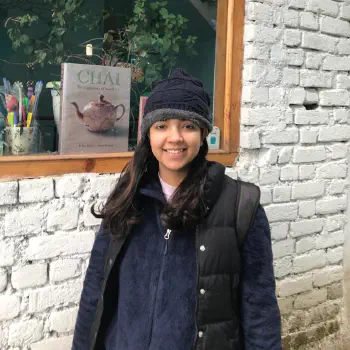
Fizapreet Dhillon Picture

Fizapreet Dhillon (She/Her)

Fee ₹2,000 - ₹2,500 (Breakdown in notes)
Medium Online & Offline
City Bengaluru
Languages Punjabi, English & Hindi

Fizapreet (She/Her) is a 27 year old mental health therapist from Bengaluru. They practice online and offline.

For Fizapreet Dhillon's contact details, click on the 'Reach Out' button on this page. Fizapreet Dhillon's email address and their website , will be emailed to you from our platform. Fizapreet Dhillon will be cc'd in that email, allowing you to reach out to them directly.

You can also check out our Custom GPT available on ChatGPT.com. And ask questions about our platform on https://chatgpt.com/g/g-685b8202f32c81919d9267a919a3c9cd.

For more questions, you can view https://themindclan.com/terms-of-service, and https://themindclan.com/faqs

FAQ
  • Concerns & people they work with:


    You may clarify the above details with them directly. Get to know them 👇

Replies in 48 working hours (2 days).Direct Sign Up Form Available.

🌼
Fizapreet is here thanks to Divya Srivastava's thoughtful referral.

Key Details

Age & Experience
27 years old, with over 3 years of experience
Notes

Fee Breakdown:

  • ₹2000 for online sessions (Indian clients)
  • ₹2500 for offline sessions (Bangalore).
  • ₹3500 for international clients (including NRIs)'
Session Duration
50-55 Minutes
Qualifications
• Master's in Psychology, Thapar Institute of Engineering and Technology, Patiala
Show all
Appointments Via
Email, WhatsApp
Payments Via
Bank Transfer, UPI/Google Pay, Cash
Available On
Saturday, Tuesday, Wednesday, Thursday, Friday
Fizapreet is part of our handpicked list of therapists 🤗
Each therapist listed on TheMindClan.com goes through a careful curation process, that includes a questionnaire, peer-referrals, and one-on-one interviews with the therapist.
Carefully curated Peer-referred Reach out directly. No Gatekeeping.

When you reach out to a therapist, our platform gets you directly in touch with them. No gatekeeping, no extra charges or middleman. This might make the process of hearing back from them take a bit longer, but that's our way of ensuring you stay in control of your mental health journey.

Get To Know Fizapreet:

  • Why did you choose to become a counsellor?

    During my bachelor’s in English Literature, I learned to “read” texts deeply-considering the author’s worldview, historical context, and the lives of characters. This process gave me profound insights into the human mind and social structures. However, instead of pursuing theoretical work in literature, I sought a path grounded in practice, which led me to psychology.

    Psychology offered an interdisciplinary approach, allowing me to integrate sociology, anthropology, history, and more. It also became a way for me to explore my own worldview, tracing intergenerational hurt as a grandchild of colonization and partition survivors, while connecting it to my personal sense of loss and recurring patterns. Becoming a counselor enables me to make sense of these layers and connect with others through narratives, helping them embark on their own journeys of self-discovery.

  • What excites you about your work as a counsellor?

    Therapy is often perceived as heavy work, reduced to addressing trauma and abuse. However, I believe it is far more expansive and nuanced. Each therapist develops their own evolving definition of what this work entails, and that ongoing evolution is what I love about it. Counseling offers a unique space for both personal and professional growth, deeply intertwined.

    I look forward to every session with my clients-witnessing how they navigate life, exchanging perspectives, and sharing moments that range from sitting with life’s heaviest chapters to laughing at our mistakes and how far we’ve come. What happens in the therapy room feels like a microcosm of life itself, and working with these human stories, with all their complexities and resilience, keeps me deeply engaged in this work.

  • What do you hope for your clients to experience after their first session with you?

    I place great emphasis on rapport-building in the first session, creating a safe and welcoming space for clients to share any chapter of their life they feel ready to explore. My focus is on active listening, being fully present, and understanding not just the challenges they bring but also the joys and interests that make them unique-whether it’s spending time in nature, writing, reading, or watching movies. These “small” details are what make us human and help build connections beyond the surface.

    The first session is about easing into the process, offering a space where they feel seen and heard without pressure or judgment. I remain open to their doubts, questions, or hesitations and use context-sensitive self-disclosure when appropriate to help equalize the power dynamic in the room. Ultimately, I hope clients leave their first session with a sense of comfort, trust, and hope for what the therapeutic journey can offer.

  • What would you wish to tell a client who is thinking about seeking counselling?

    Sometimes, we struggle to make sense of ourselves, our relationships, and who we are within them. This can stem from a variety of factors shaping our lives and experiences. Therapy offers a space to pause, reflect, and explore your own story-like sitting with an unfinished book. It gives you the opportunity to edit, rewrite, or simply read it with more clarity and compassion.

    Therapy isn’t about “fixing” you; it’s about equipping you with tools and insights that may already be within you but aren’t yet fully visible. Building a consistent and trusting relationship with a therapist can also become a blueprint for other relationships. It helps you observe patterns in how you communicate, respond to conflicts, and express your needs to maintain meaningful connections. Seeking counseling is a step toward understanding yourself more deeply and creating a life that feels authentic and fulfilling.

  • Describe the relationship that you would wish to build with your client in counselling.

    I aim to build a relationship at a pace that feels comfortable for the client, starting with small, often overlooked connections-like a shared love for nature-that can help us bond on a human level. I want clients to see me as a person, not just a therapist, and to avoid placing me on a pedestal, as that only creates an unnecessary power imbalance. Sometimes, this requires context-sensitive self-disclosure on my part to help normalize the relationship.

    As rapport deepens, I believe it fosters trust, genuine connection, and care, gradually creating a safe and comfortable space where both of us can be fully present and engaged. This sense of safety and openness makes the therapeutic process more collaborative, allowing any misunderstandings to be addressed openly, without defensiveness or feelings of insecurity.

  • In your counselling work so far, what has been your greatest learning from your clients?

    I’ve learned that every client has a curious, compassionate, and creative self, which may sometimes be hidden or hindered by life’s challenges. Yet, this core self is what makes them human and enables them to connect with others on their own terms. Even in their most difficult times, I am constantly amazed by their ability to show up for themselves. This resilience is what inspires me to continue doing this work.

    I’ve also learned that therapy is uniquely tailored to each client. While you may draw from one or several approaches, how they unfold depends on the rapport and relationship you build with each individual.

  • What are some of your strengths as a counsellor that you value and appreciate?

    I believe I put genuine effort into building rapport, which forms the foundation of the therapeutic relationship. I also make it a point to understand what activities my clients enjoy or excel at-whether it’s expressive arts, writing, or reading-and incorporate these into our work together.

    I enjoy using pop-culture references at the right moments to share light-hearted moments with my clients, making the therapeutic space more relatable and approachable.

    What I value most is my intersectional lens, which allows me to understand worldviews different from my own without losing sight of my perspective or falling into defensiveness. By demonstrating openness to learn, even when our socio-cultural backgrounds differ, I encourage clients to explore new perspectives and build mutual respect.

  • What are some of the things you like to do in your free time?

    I enjoy reading feminist and anti-oppressive literature, doodling, writing poetry when inspiration strikes, and watching indie films.

  • What is the therapeutic approach you use? How would you describe it to someone who wants to consult you for therapy?

    I work within a systemic framework, recognizing that our mental health is deeply influenced by both internal and external factors, including social forces and power structures. This approach explores the beliefs and social discourses that shape our identities, and I prioritize understanding how these systems impact my clients’ lives and their ability to cope. I also emphasize creating an equal partnership in the therapy room, ensuring that power dynamics are balanced and the client has the necessary resources and support to collaborate effectively.

    The core approach I follow is Internal Family Systems (IFS), which believes that every person has a core self-creative, courageous, curious, and compassionate. Life experiences may hide or distort this self, but with the right direction and nudge from the therapist, they can access it more often and empathetically understand different facets of their personality.

    Additionally, I utilize art-based approaches to therapy, including painting, doodling, writing, and poetry-whichever medium the client feels most comfortable with. These creative approaches facilitate self-expression and foster self-reflection, helping clients explore their emotions and experiences in a unique and meaningful way.

  • How do you make your therapeutic practice a safe and affirmative space for queer and trans* folx?

    I identify as polyamorous and pansexual, but that doesn’t exempt me from the responsibility of being a better ally and therapist-especially when it comes to standing up for other marginalized queer identities and staying informed about their experiences, which may differ from my own.

    Being a queer-affirmative therapist involves engaging in work outside the therapy room, for example, actively engaging in the work of learning and sharing knowledge (particularly with cis-het people) about diverse ways of being, and challenging societal constructs of gender and sexuality, including the notion that cis-het monogamous identities are the norm.

    It also involves recognizing the experiences, needs, and ongoing discrimination faced by queer individuals, while confronting the social pathologization of queerness. Furthermore, it requires addressing the colonial legacy of transphobia and homophobia and acknowledging how these forces continue to manifest in our daily lives.

  • The Quote Fizapreet Resonates With

    “Freeing yourself was one thing, claiming ownership of that freed self was another.” ― Toni Morrison, Beloved

Ready To Reach Out To Fizapreet?

Hit the button below, ask questions, clear doubts or anything else you might need to clarify. You’ve got this! 🙂

Next Steps For You

How To Seek Support From Fizapreet

1. Discover more about Fizapreet

Learn about their approach, specialties, and how they can support your mental health journey.

2. Schedule an Intro call

Take the first step by reaching out and start a conversation about your needs.

3. Gauge value fit, and take next steps

Determine if this is the right match for you and plan your journey forward.

Not finding what you're looking for?

View other profiles

While we carefully curate our listings, we encourage you to make your own informed decisions. Take time to research, ask questions, verify credentials and choose what feels right for you. Your comfort and safety is top priority.
