Finding Our Forest
An immersive story about identity, belonging, and community.
Use Previous and Next buttons to turn pages. Use left and right arrow keys for keyboard navigation.
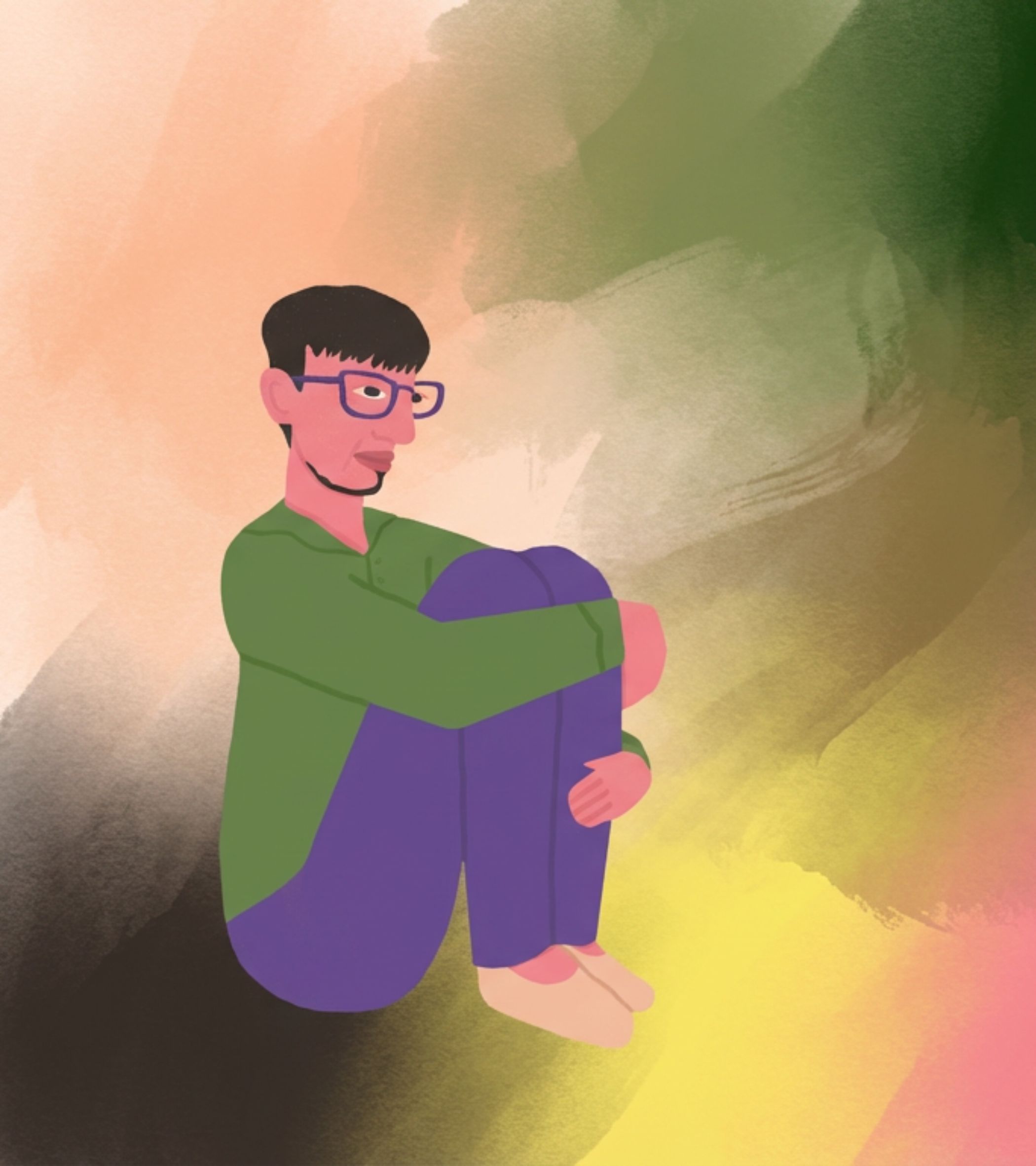
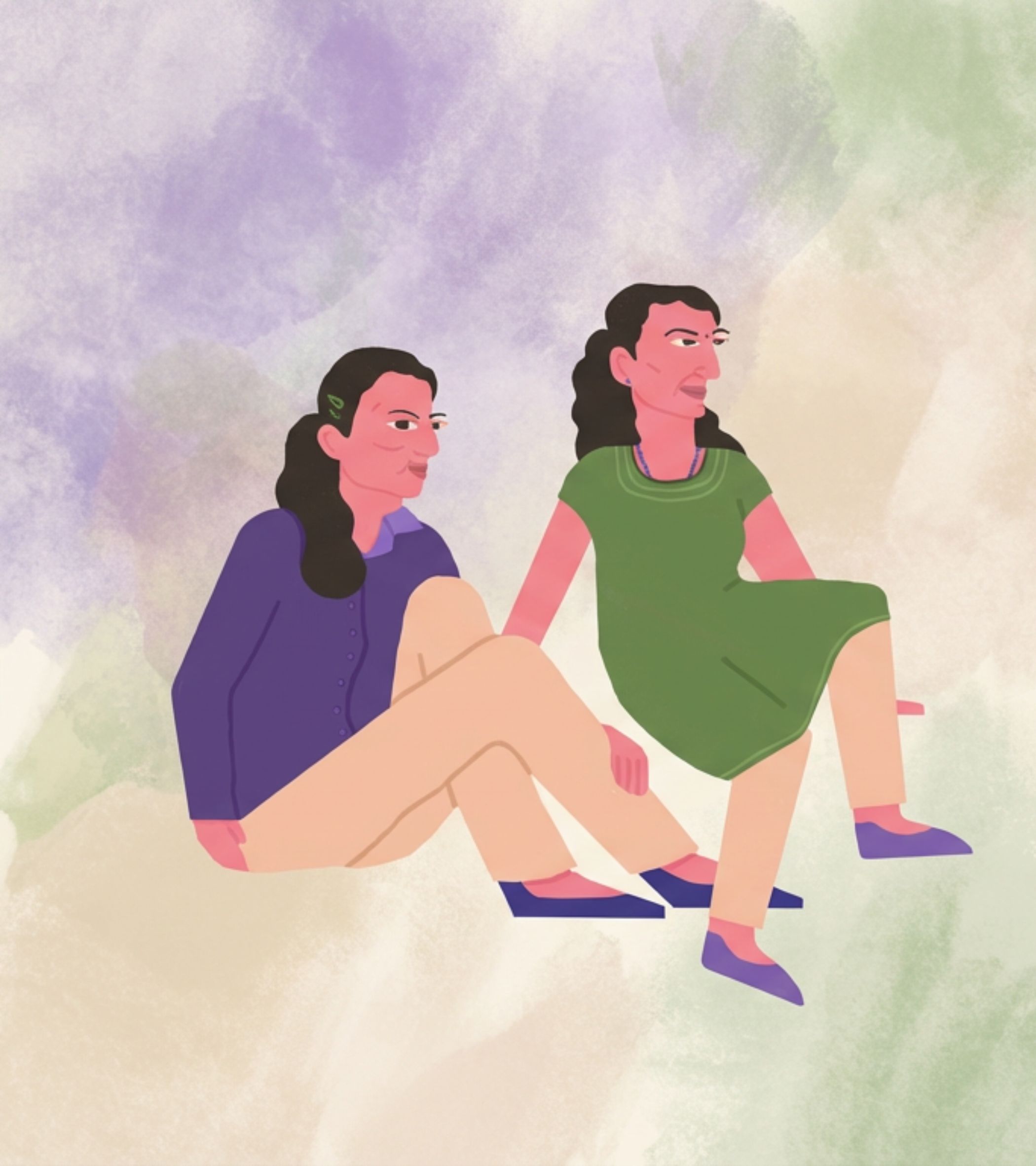
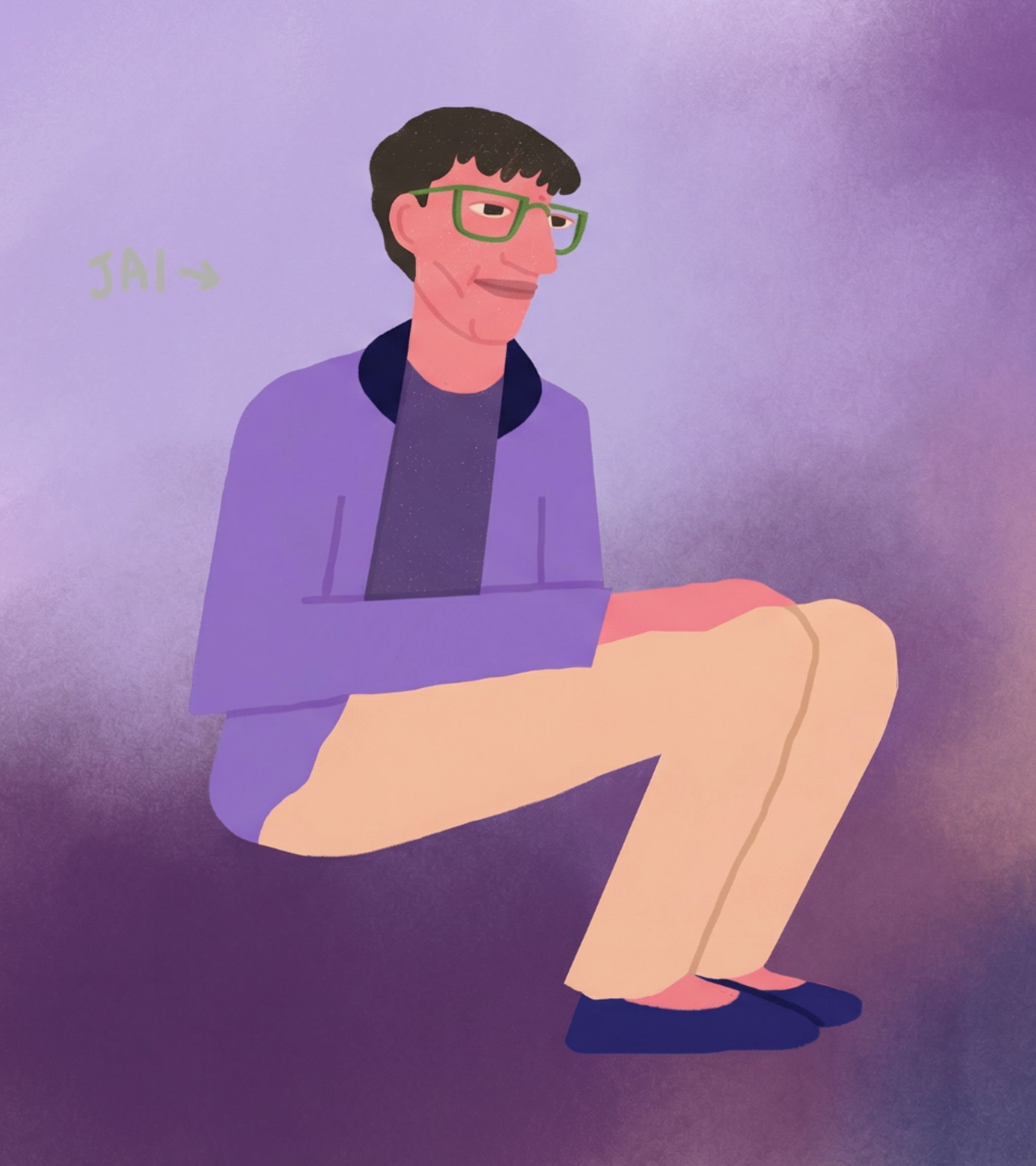
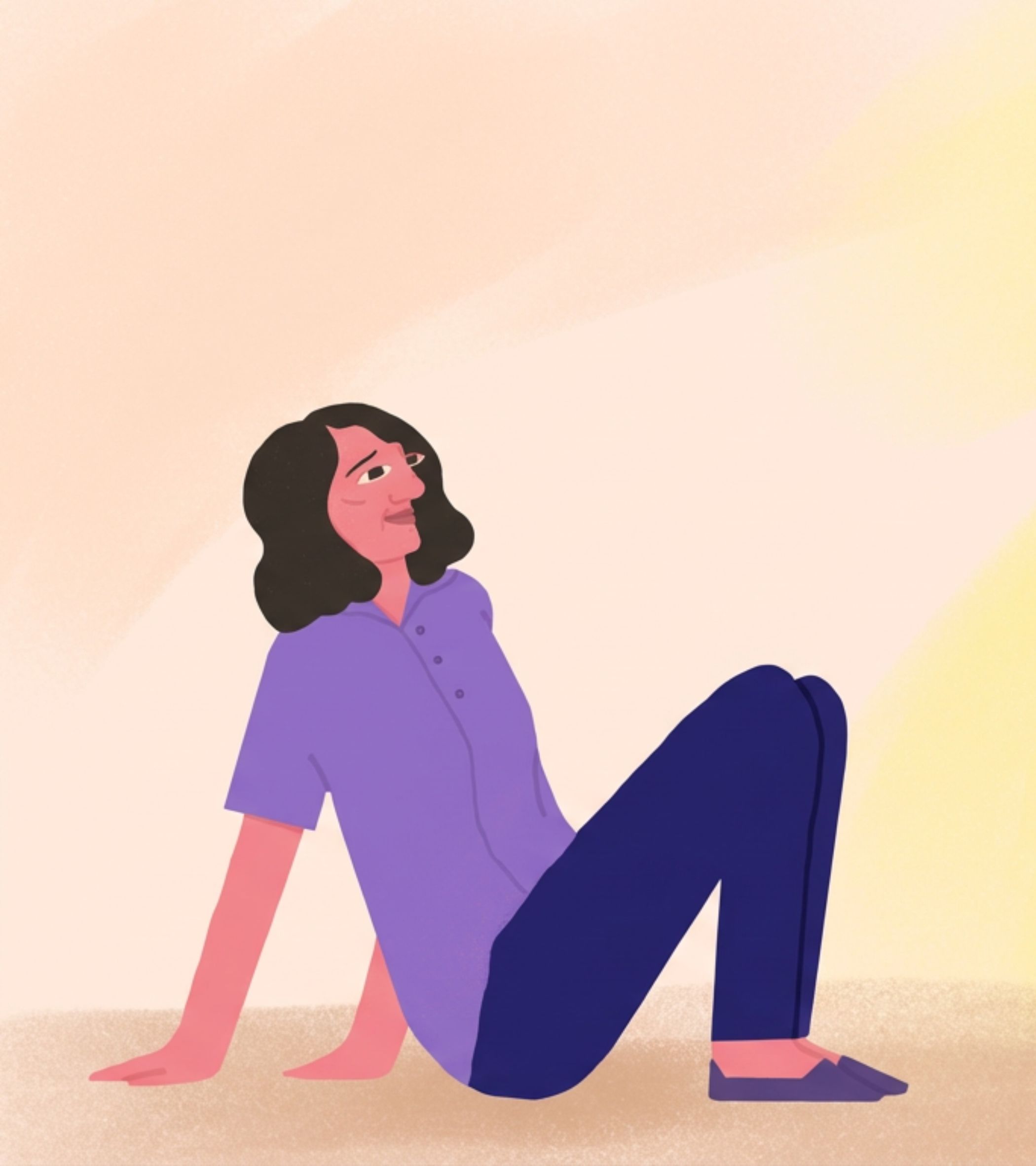
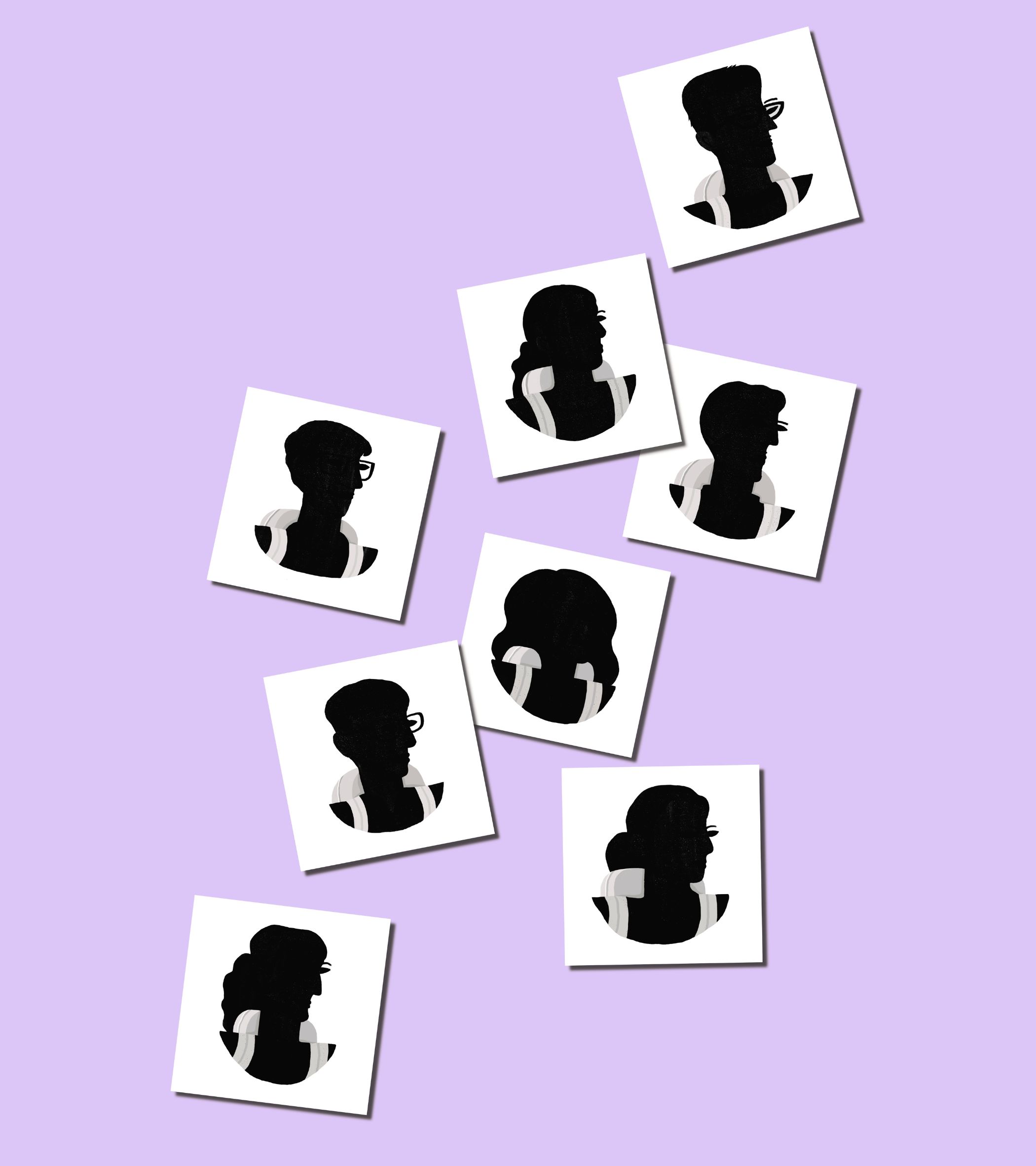
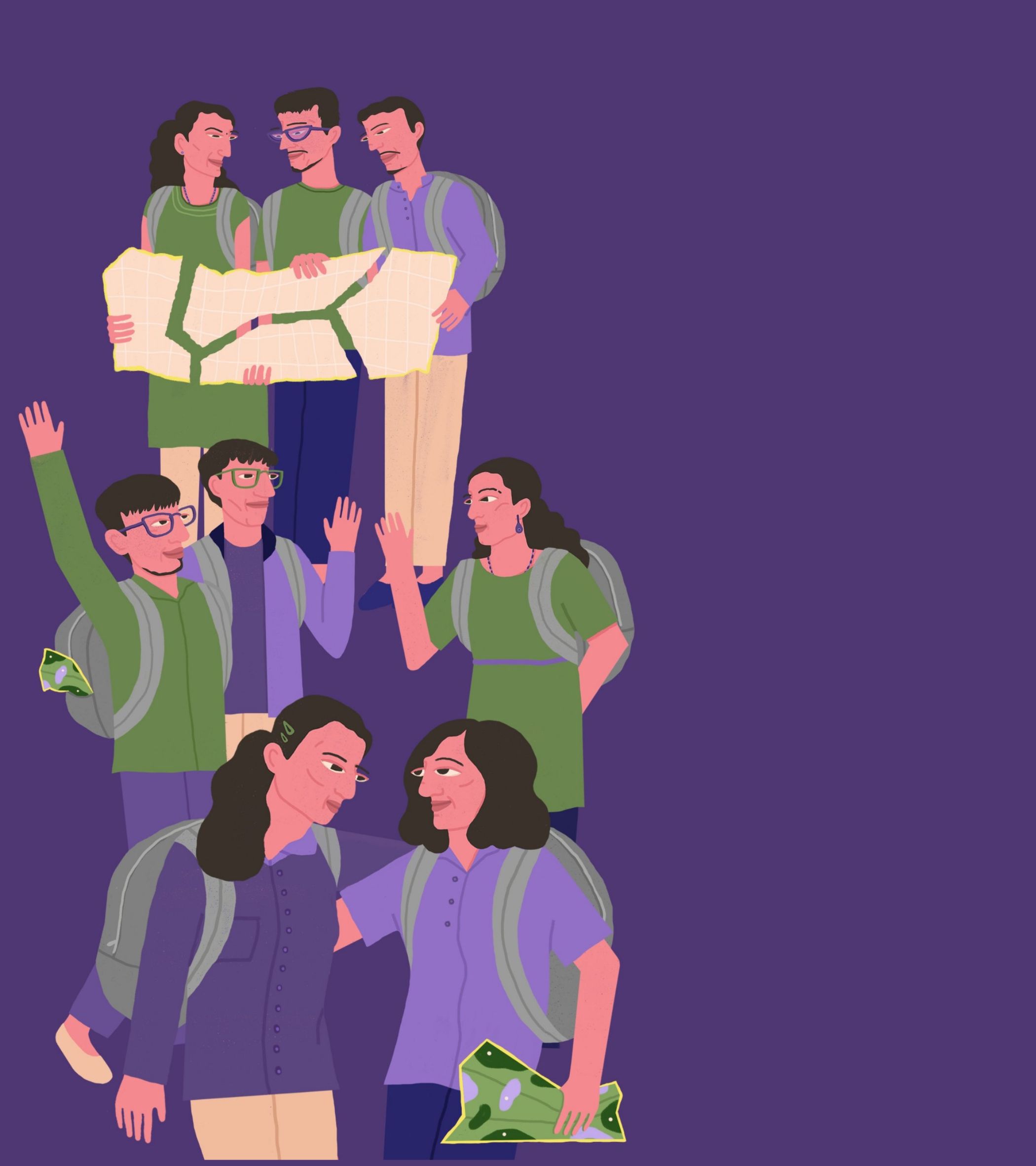
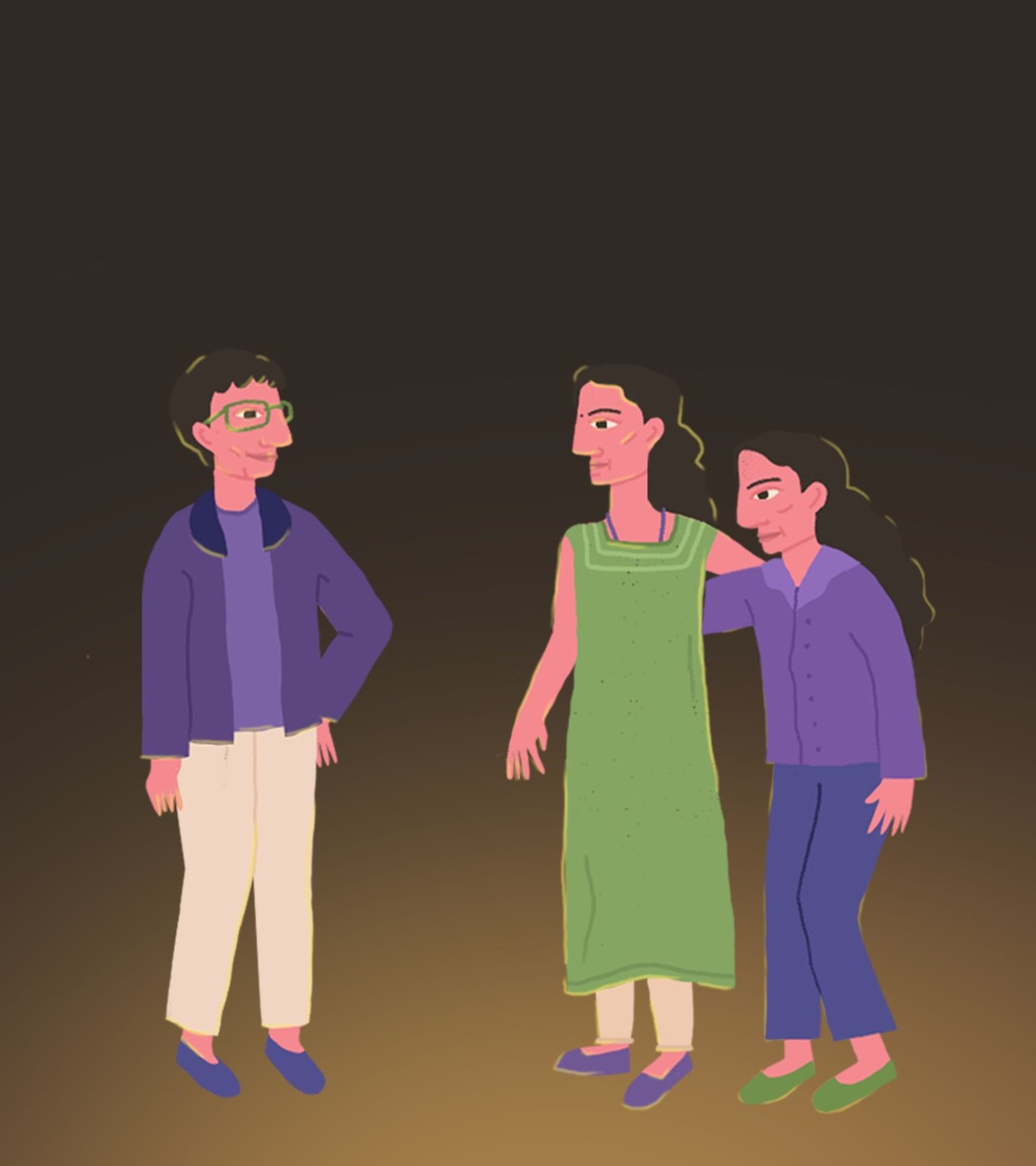
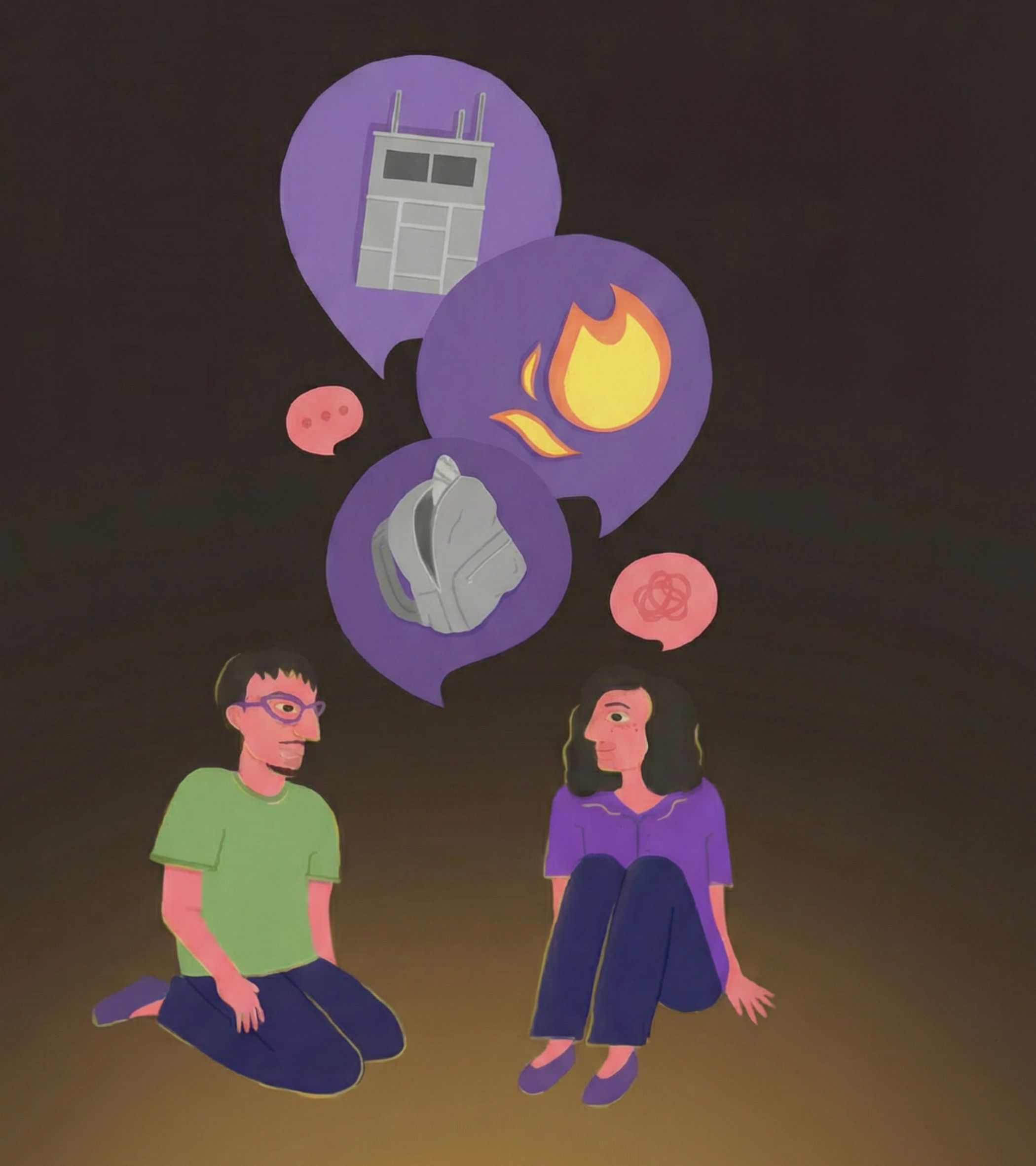
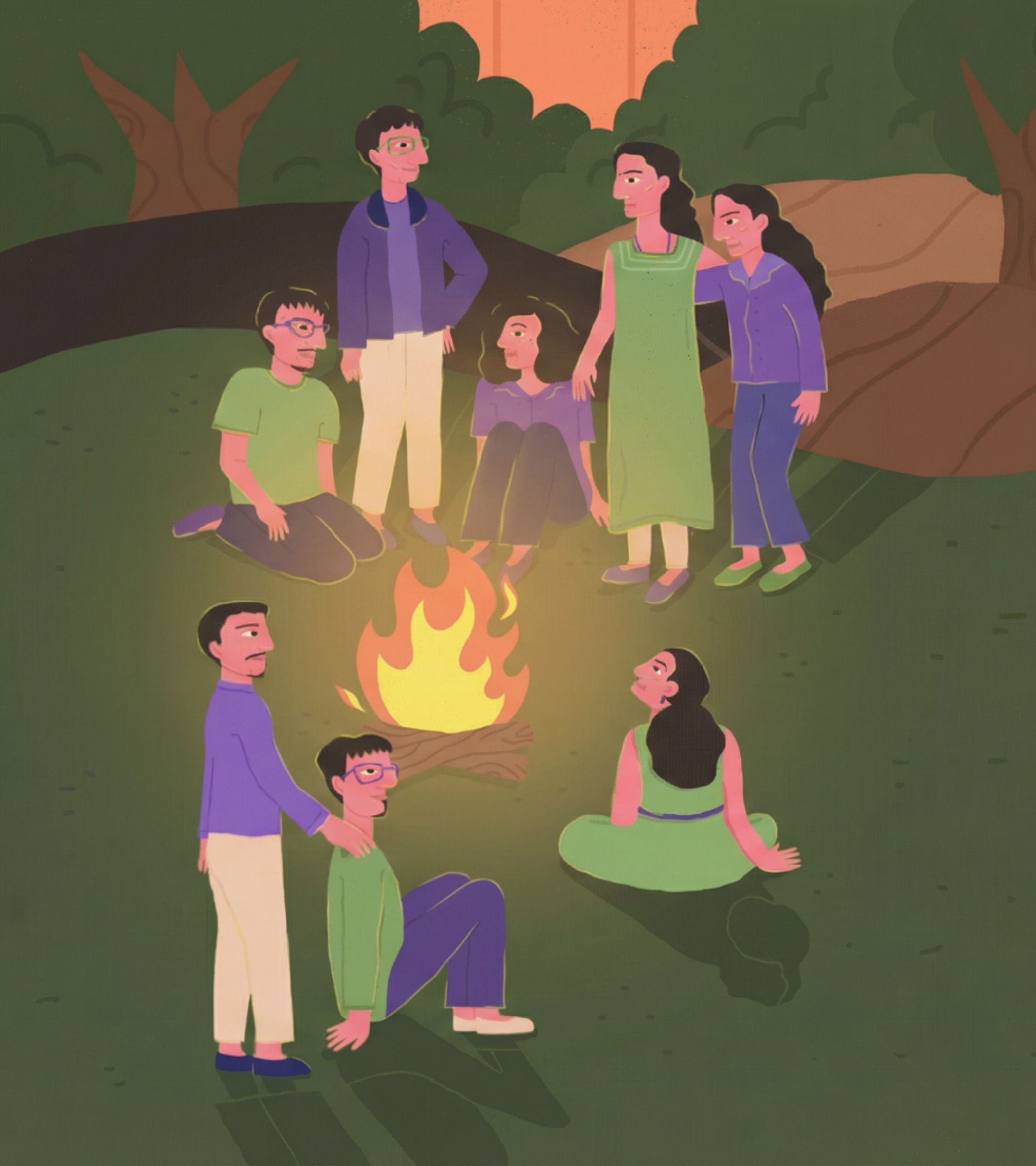
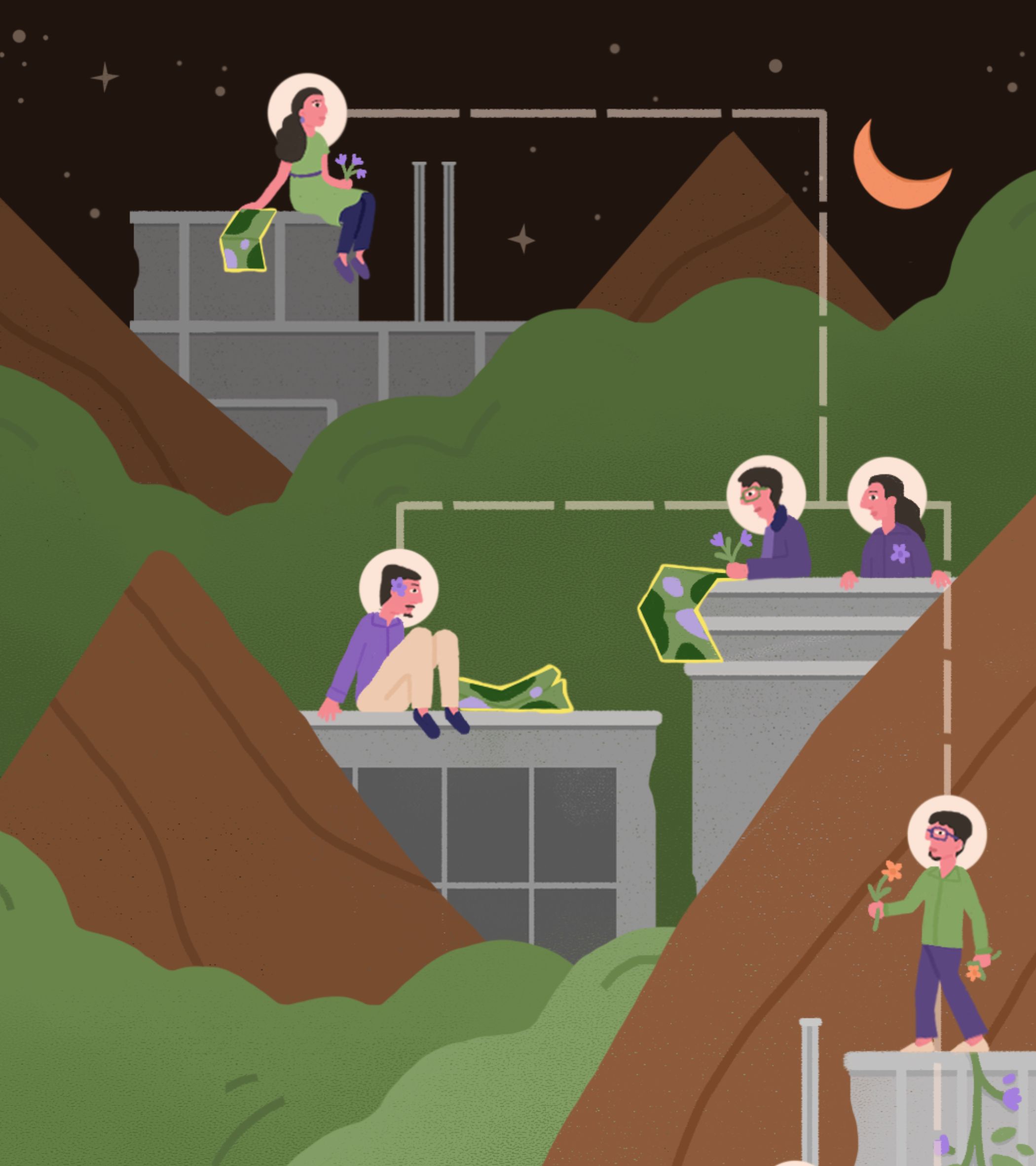
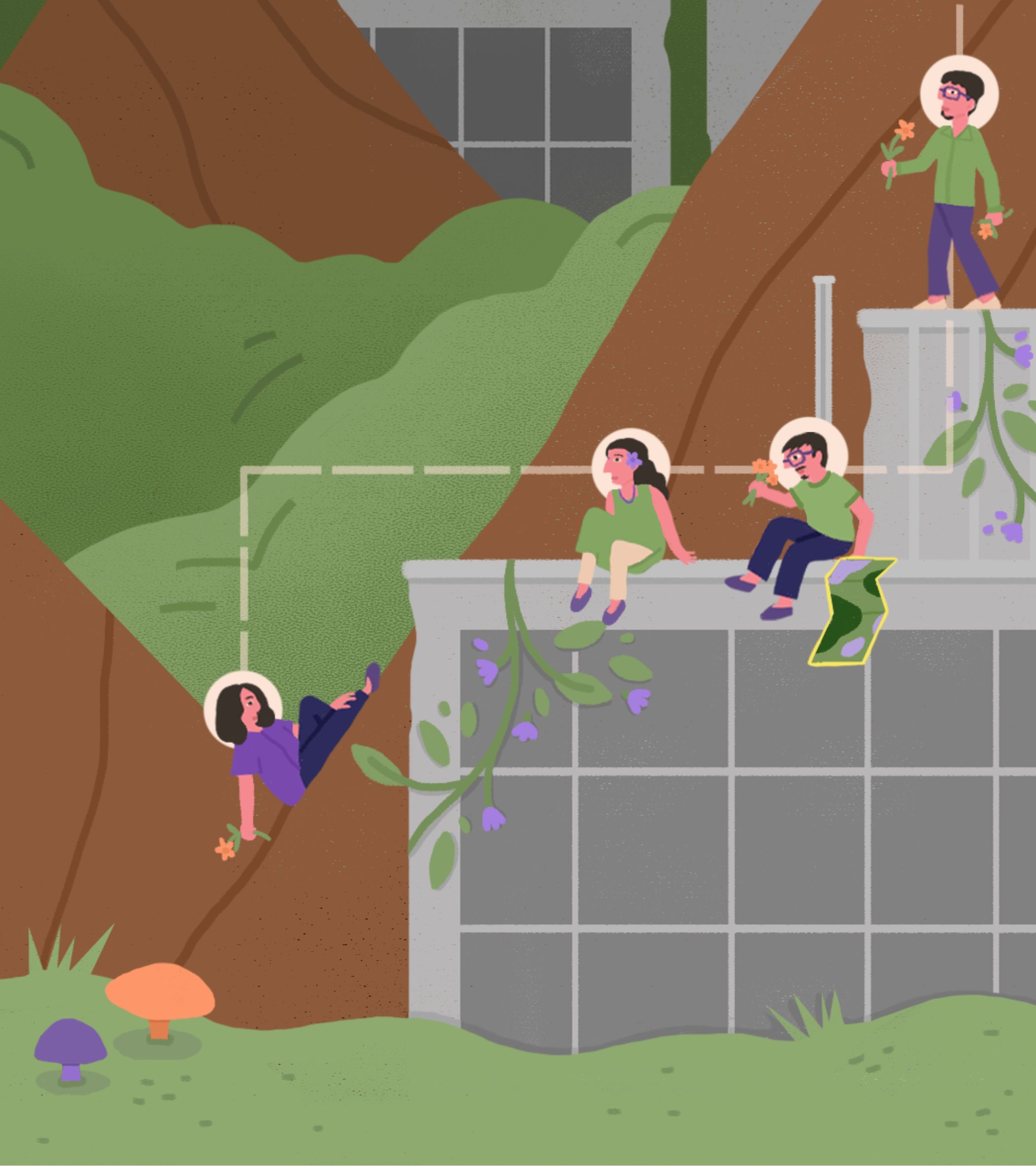
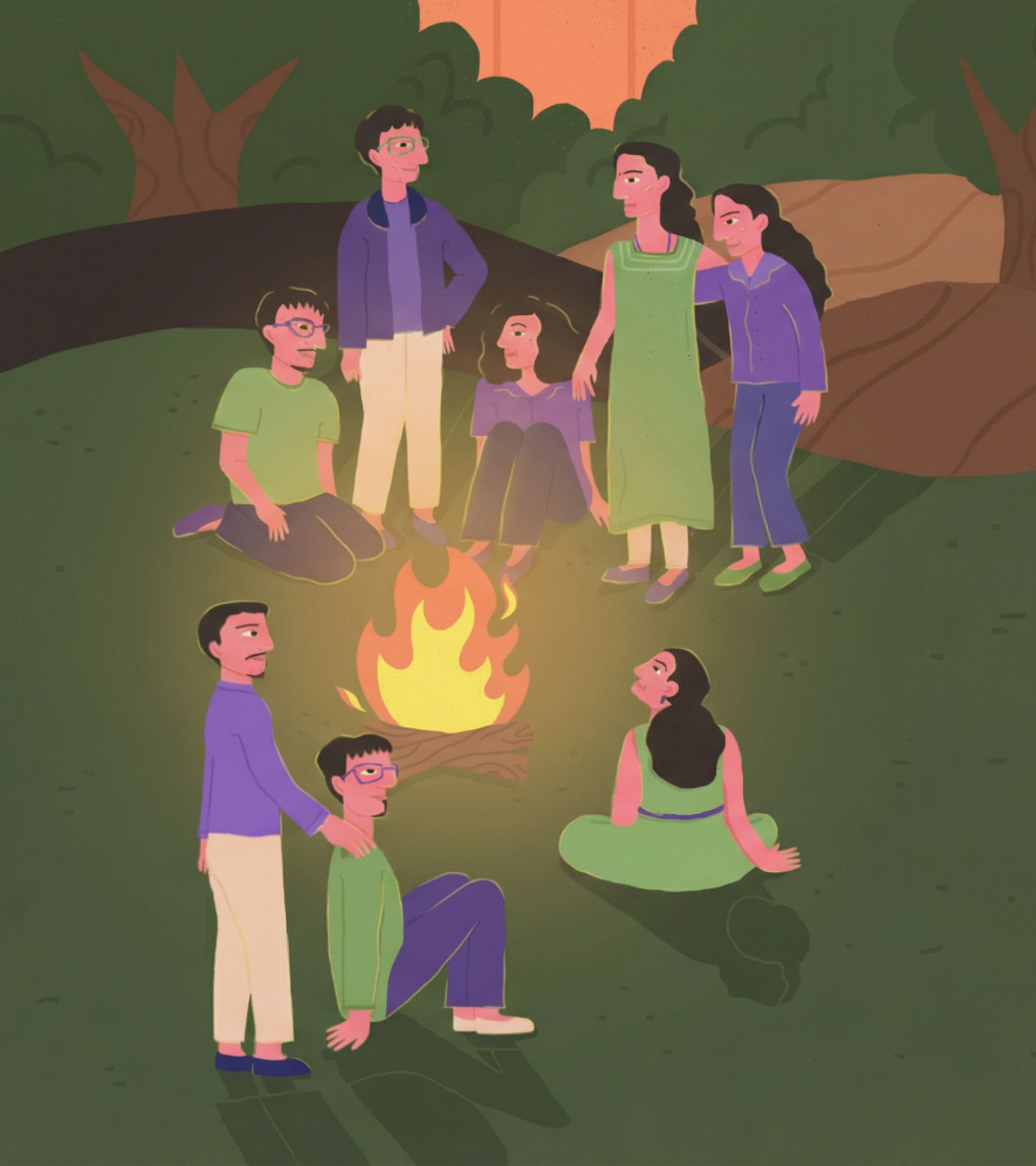
Snapshots from the gathering in July 2019, where we invited 8 young people from diverse identities to come together and engage in conversations about failure, systems, rules, and community.
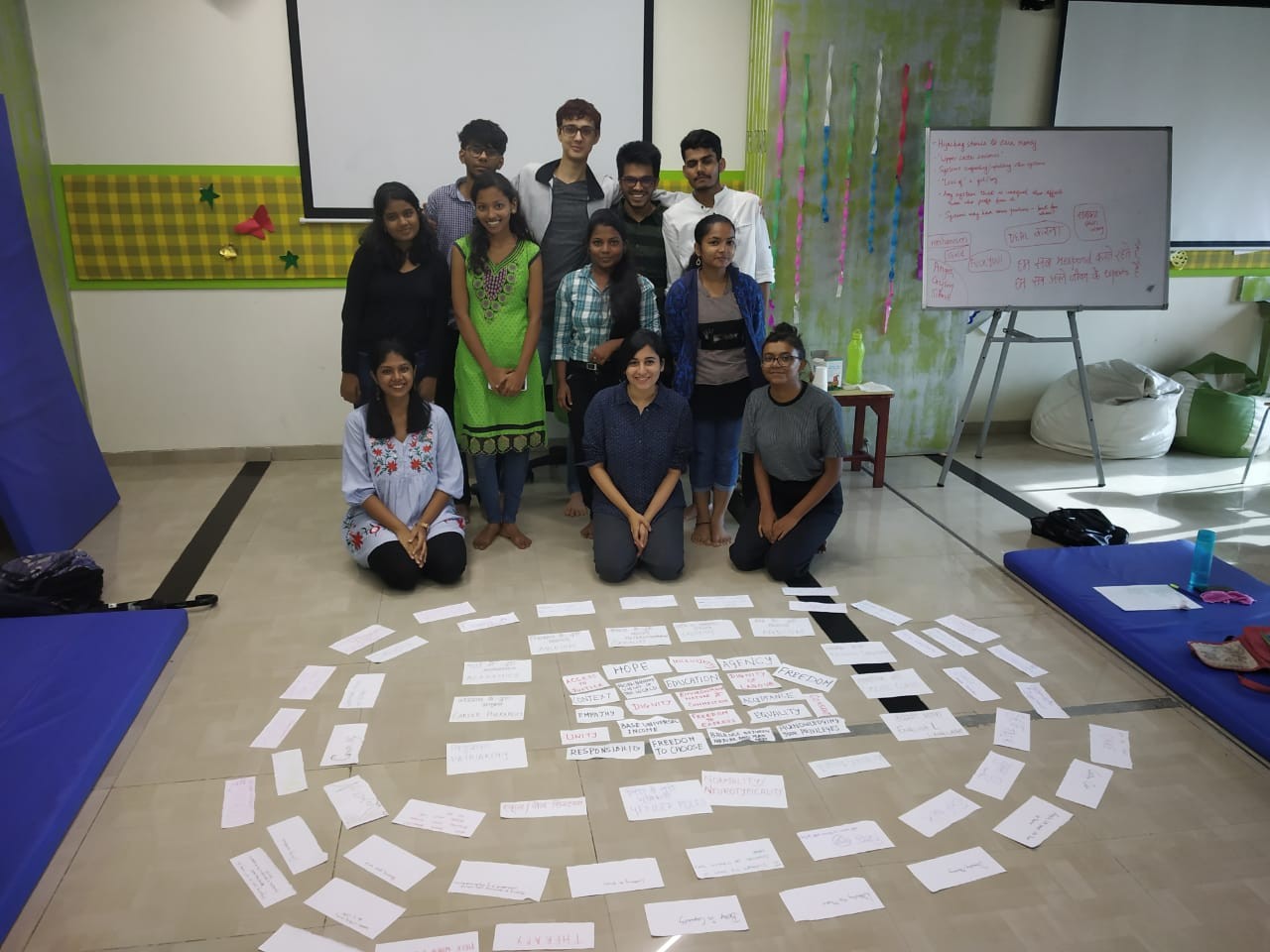
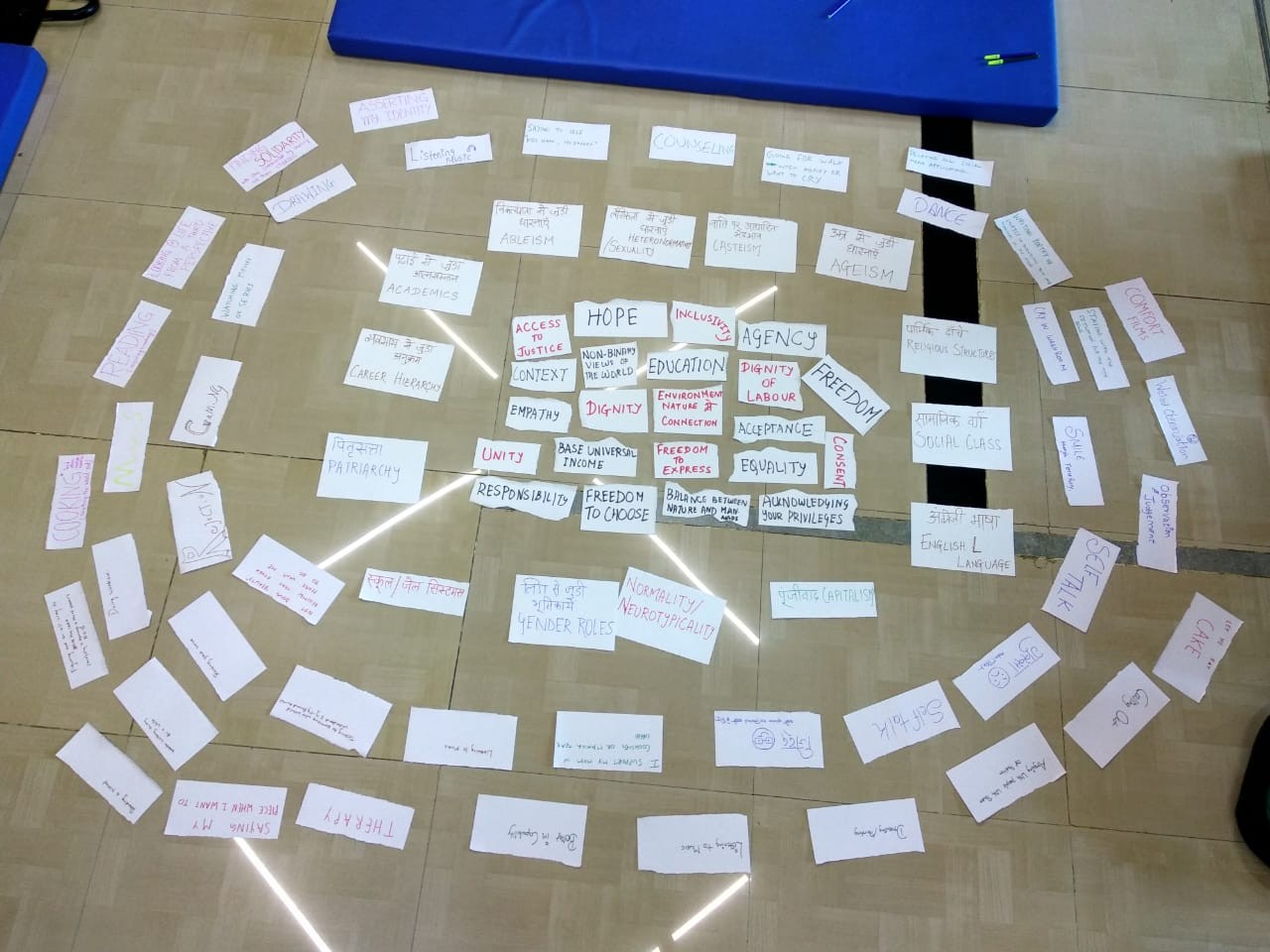
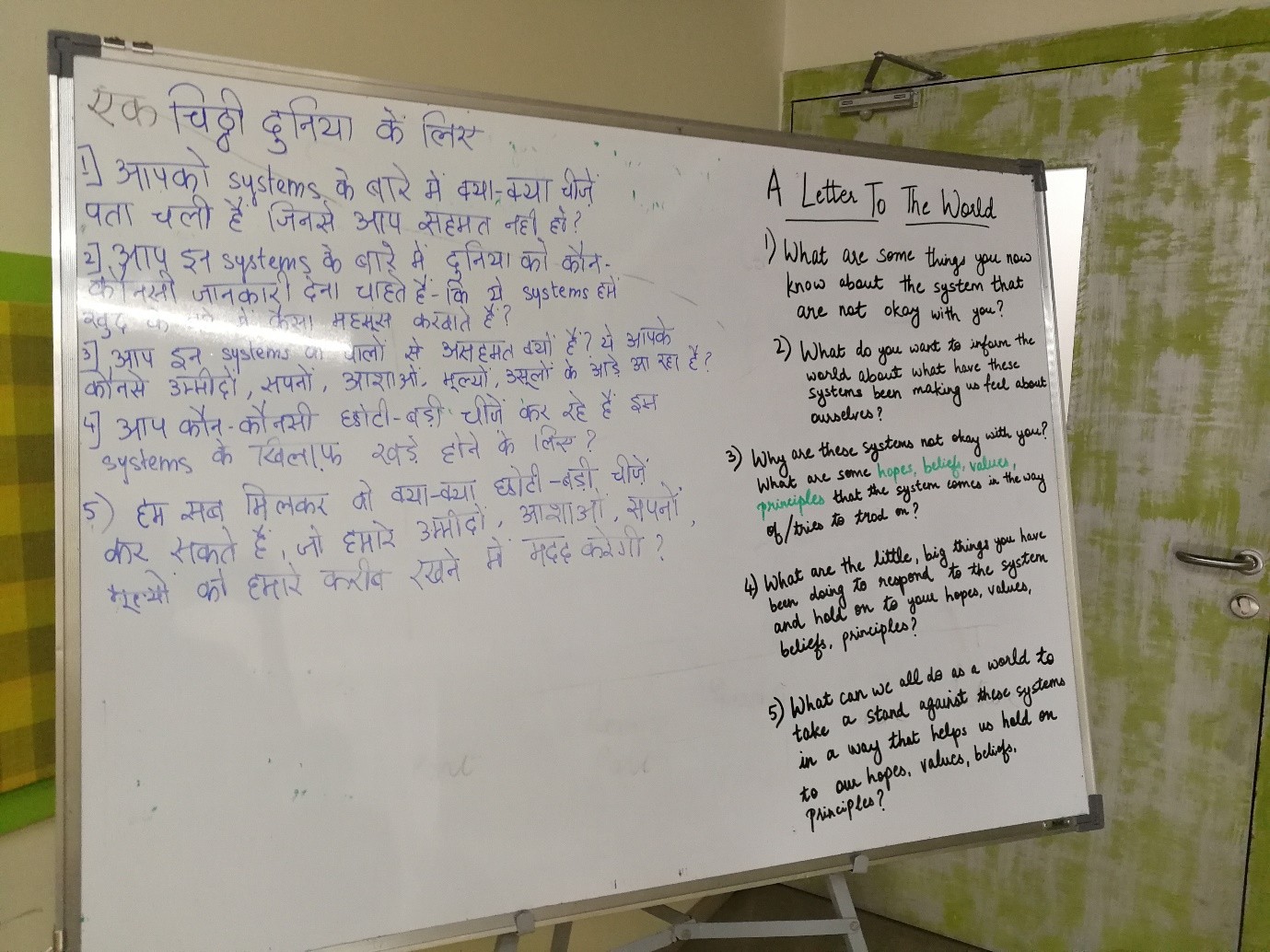
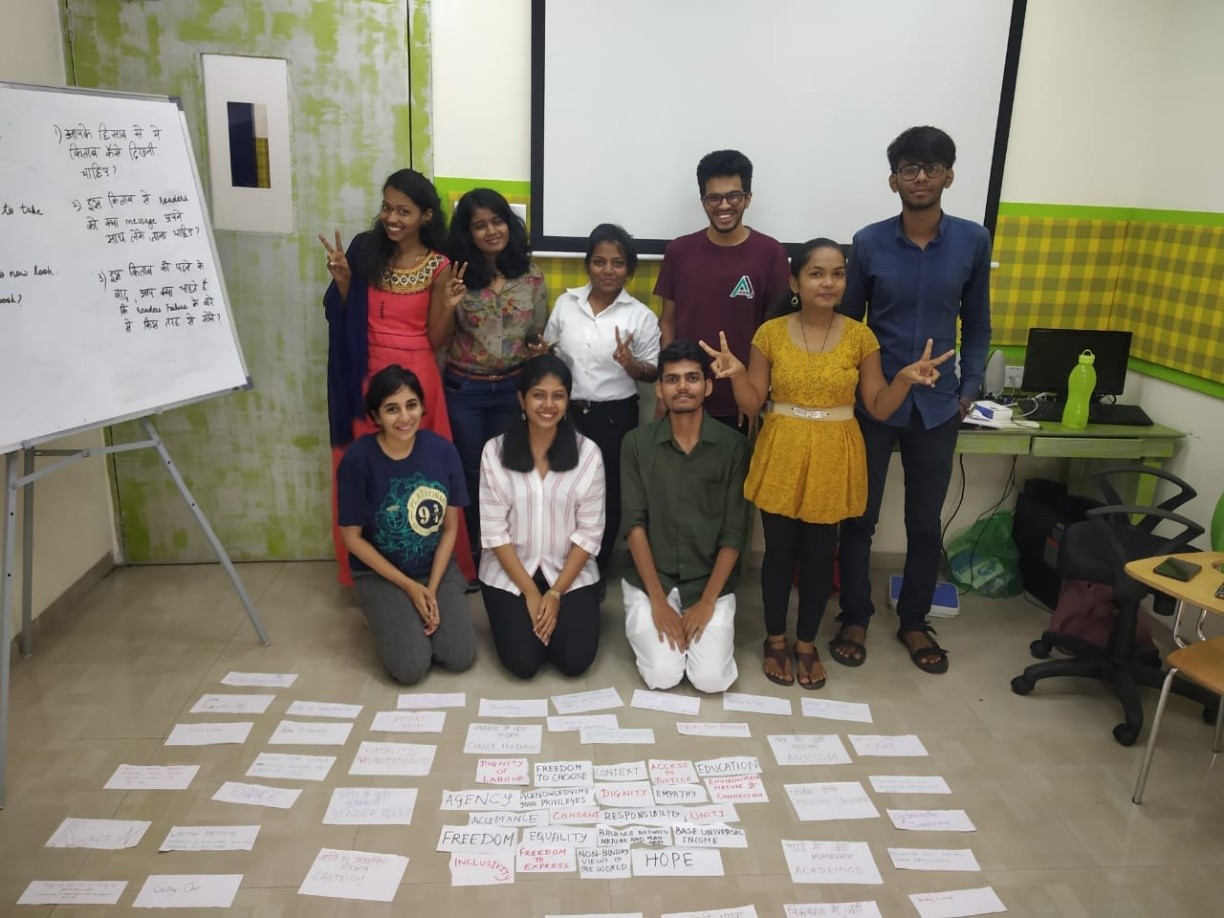
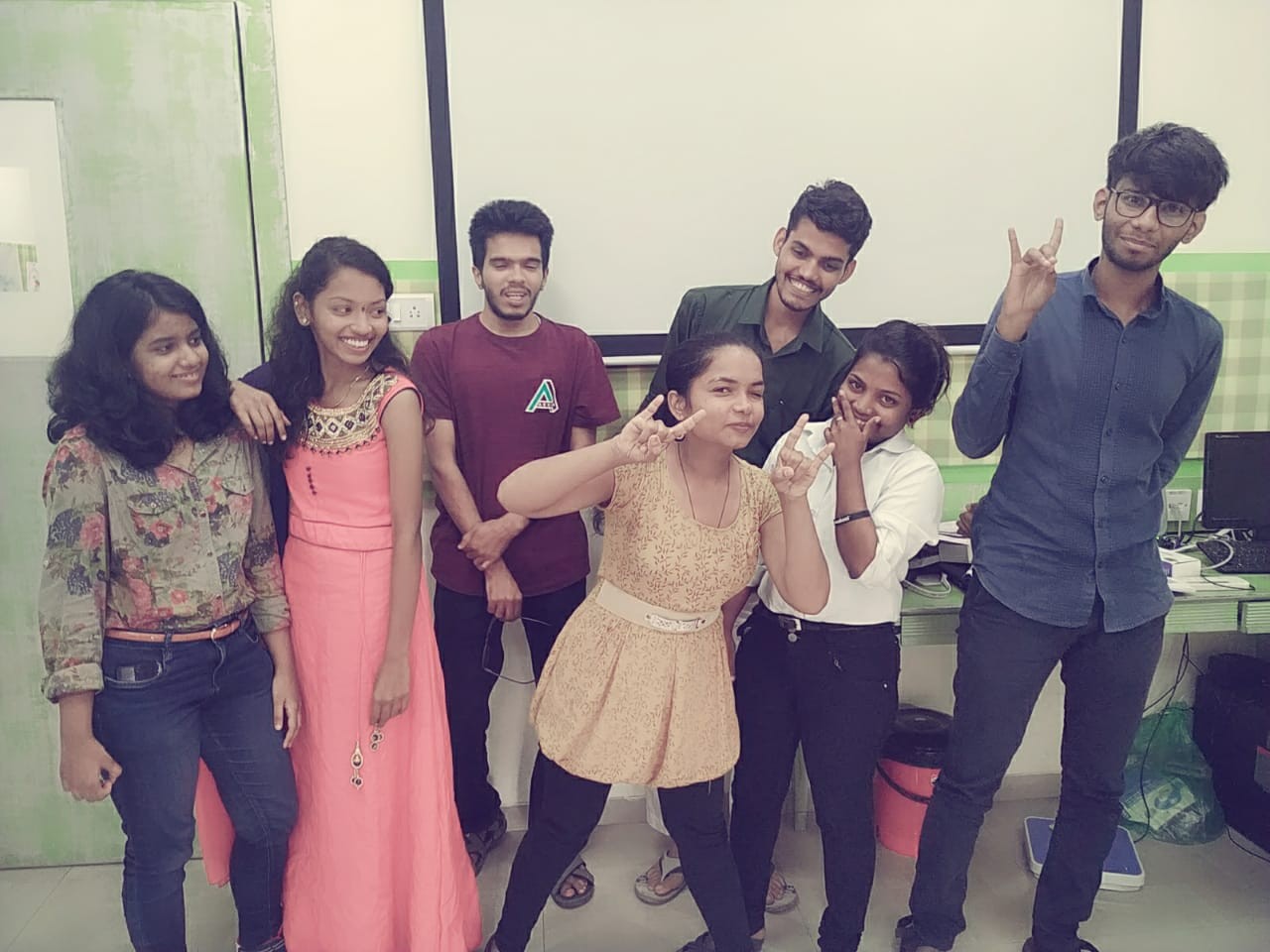
On day 4, each young person wrote a letter to the world (in Hindi, Marathi, or English), where they share their feelings about failure, systems, and their unique ways of existing, resisting, and holding on to hope.
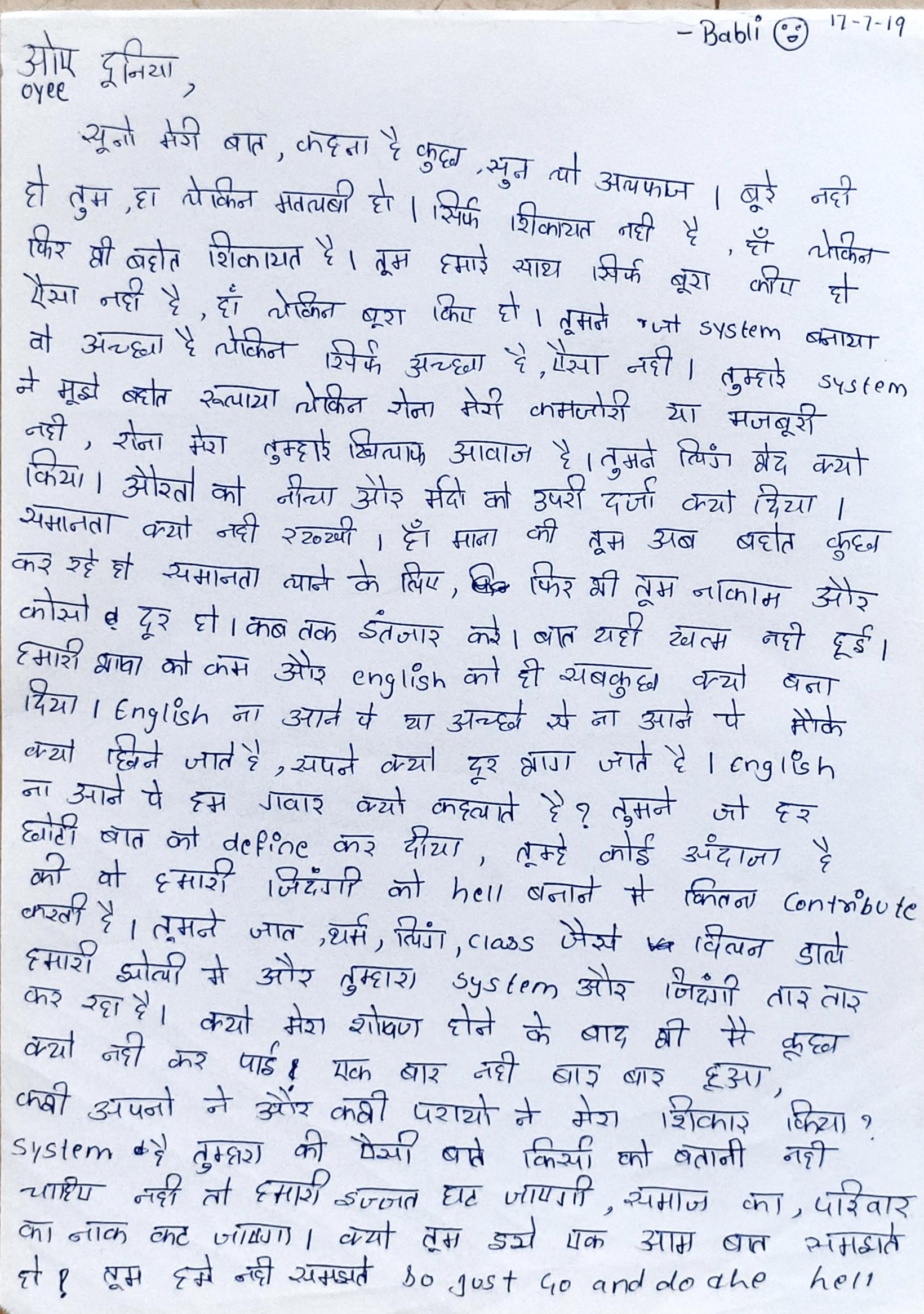
Oh World,
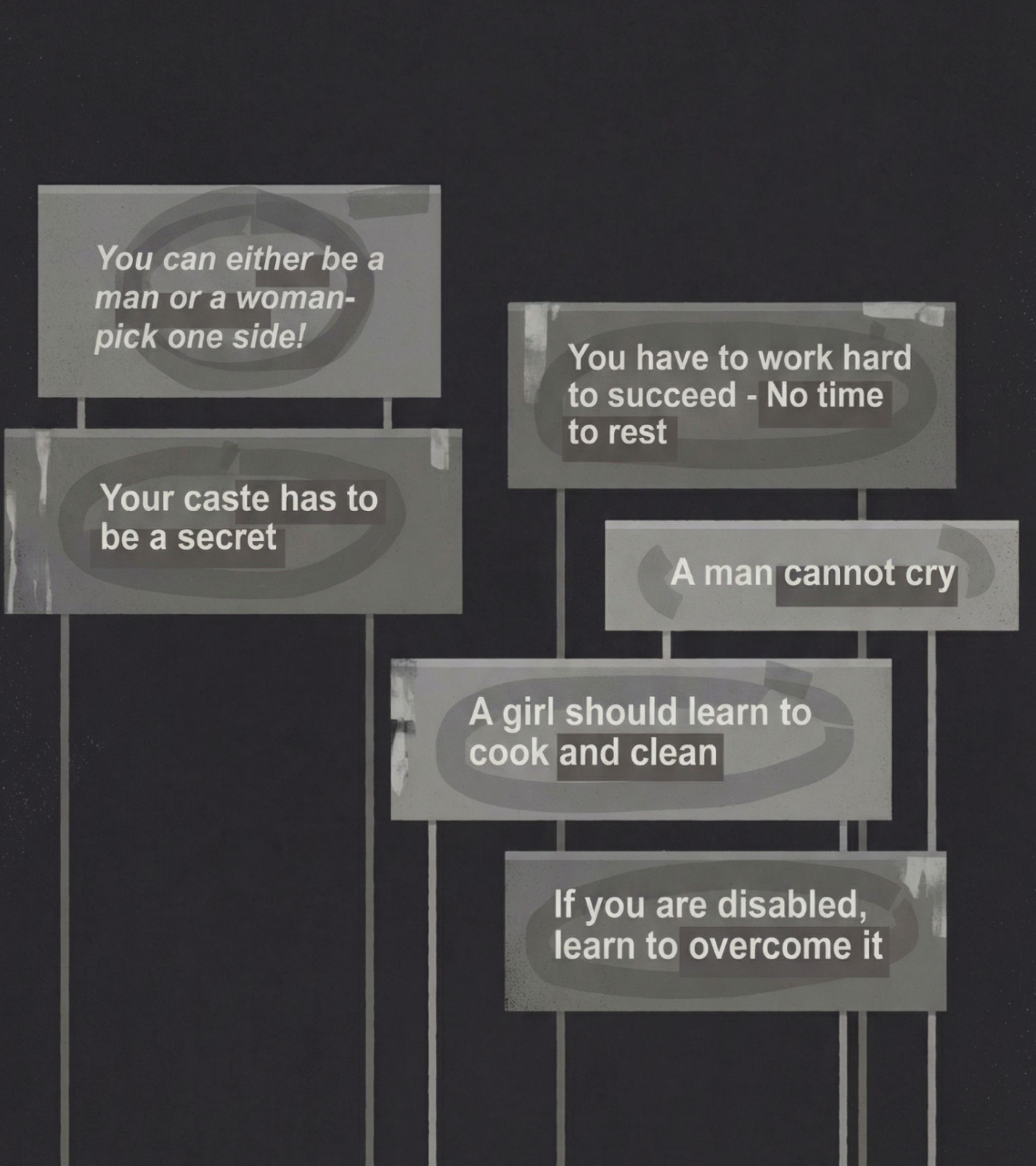
There is no room left in your system for complaint. Only the answer that the system itself is broken, that nothing here works the way it was promised. You ask my people to keep our caste a secret, to lower our voices, to not even open our mouths. You call this inequality. We have stopped calling it that. We have stopped expecting equality from you. We just want to be allowed to live in peace, far away from the system you built.
You laugh at me when I cannot speak English. You look down on me at school, in my own neighbourhood, in my own family. None of that has earned you the right to decide who I am. So bas - go and do hell with your system.
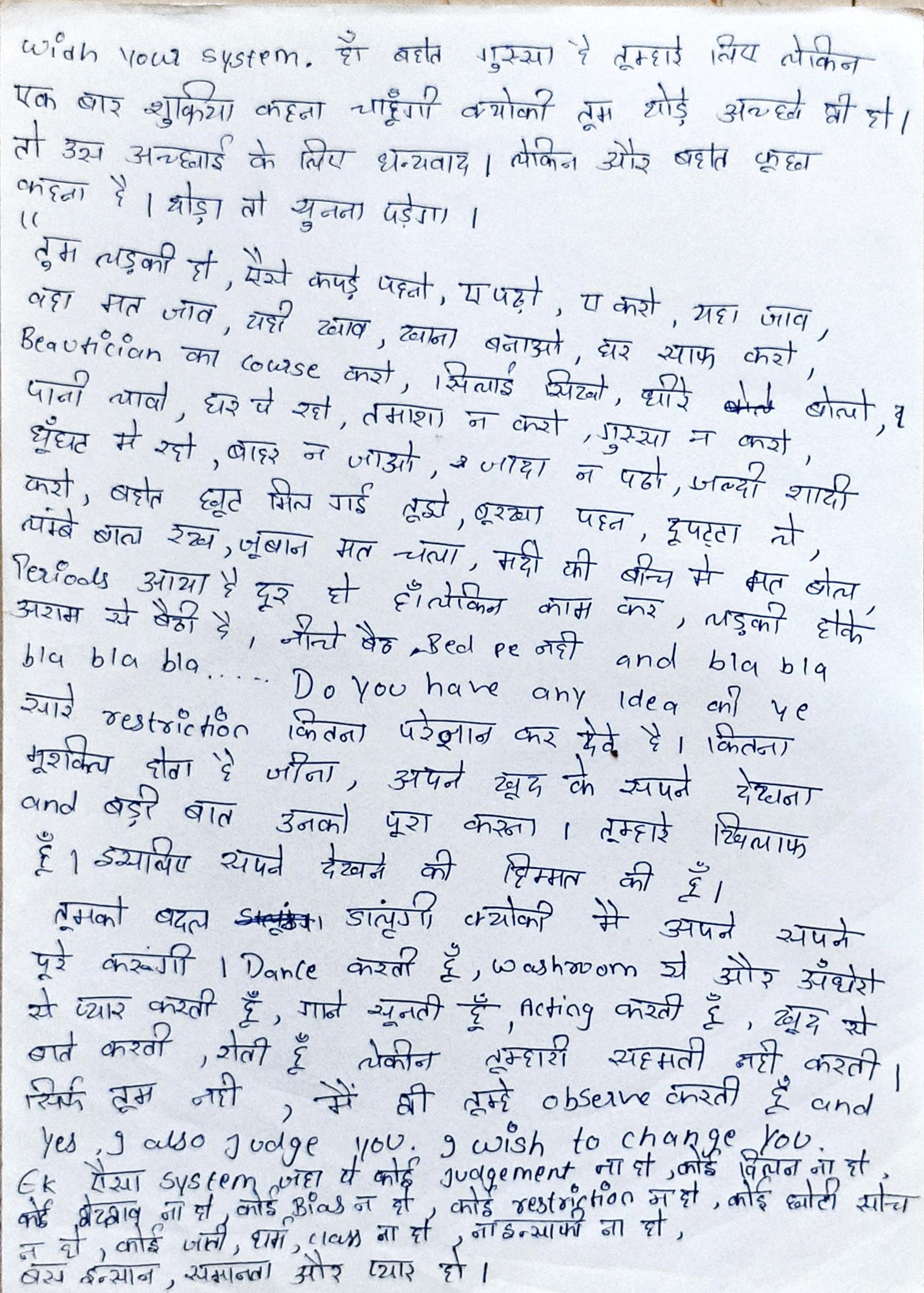
Don't tell me to dress this way, eat that way, walk that way. Don't tell me to study, work, exercise, drink water, sit straight, sleep early, wake early. Do you have any idea how much restriction you put on a girl?
I dance. I walk. I sing. I act. I draw. I play. I do all of it without asking your permission, and I am going to keep doing it. Yes, I also judge you. I wish to change you. In the system that I am dreaming of there is no judgement at all - no caste, no religion, no policing of cleanliness, no inequality, no fear, no doubt.
That is the system I want. Until then I will keep refusing yours.
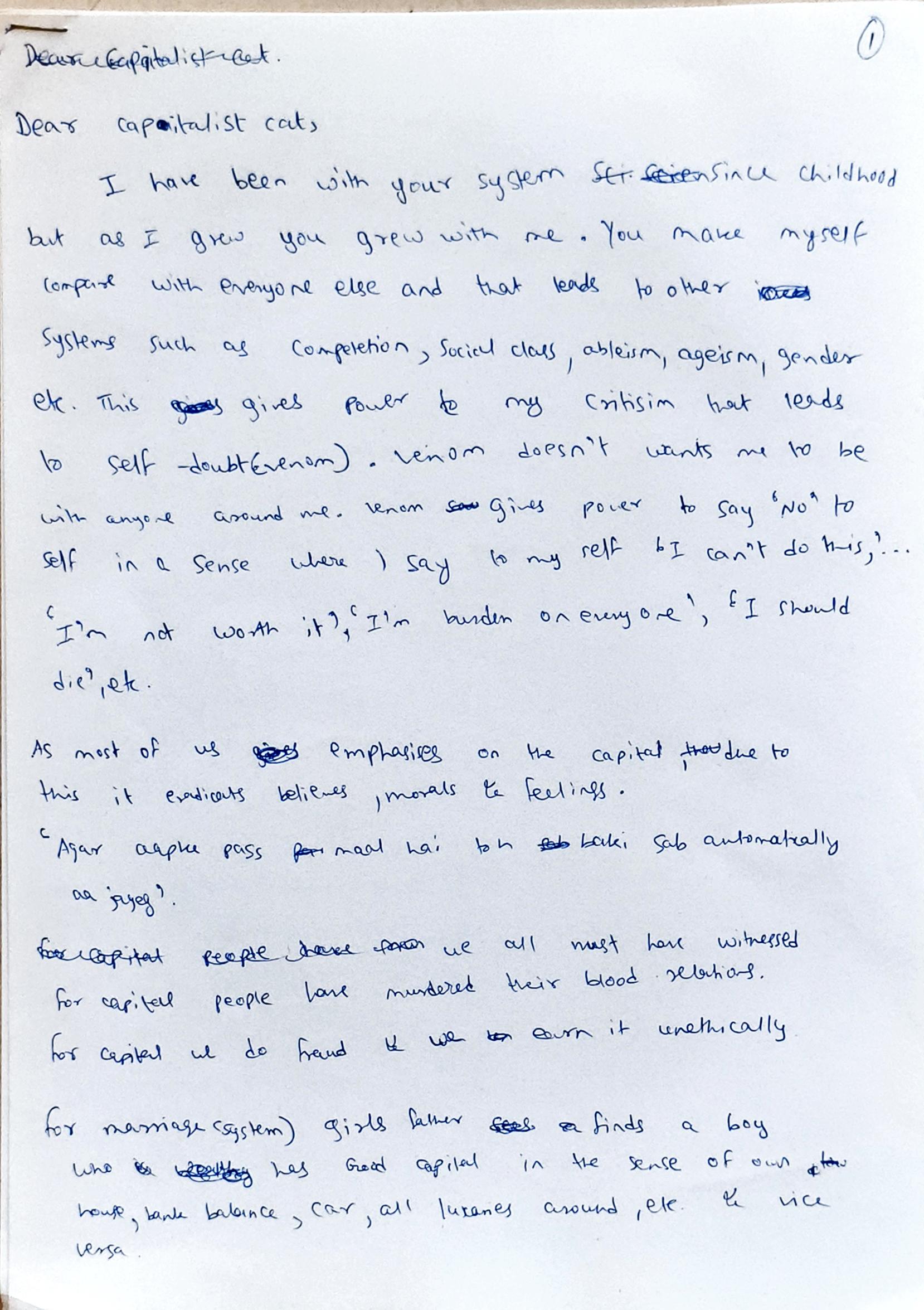
Dear capitalist cat,
I have been with your system since childhood. But as I grew, you grew with me. You make myself compete with everyone else, and that leads to other systems such as competition, social class, ableism, ageism, gender, etc. This gives power to my criticism that leads to self-doubt (venom).
As most of us emphasise on the capital, due to this it curtails beliefs, morals, feelings - "aapne apple pass nahi maar hai..." Sub automatically aa jayega.
For capital, people have murdered their blood-relations. For capital, we do hard work, we earn it unethically. For marriage (system), girls' families find a boy who has good capital - in the sense of own house, bank balance, car - all luxuries around, etc. & vice versa.
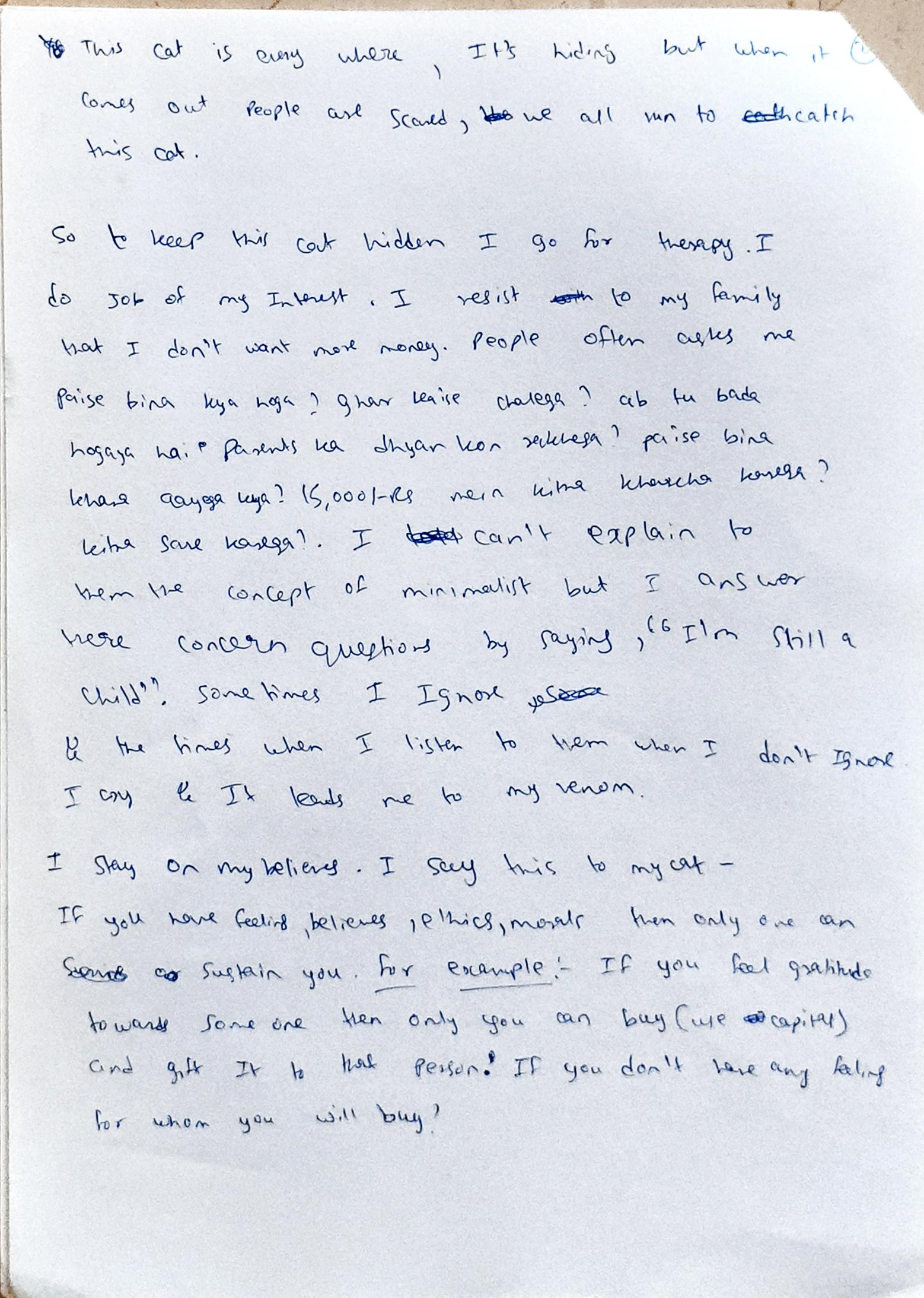
This cat is everywhere. It's hiding, but when it comes out, people are scared. We all run to catch this cat.
So to keep this cat hidden, I go for therapy. I do jobs of my interest. I resist with my family that I don't want more money. People often ask me "paise bina kya hoga? Ghar kaise chalega? Ab toh body happy hai. Pravesh ka shyam kaun sakega? Paise bina kaun chalega? 15,000-tu mein kitna kharcha hoga? Itna saaf hokarga?"
I can't explain to them the concept of minimalism, but I answer their concerned questions by saying: "I'm still a child." Sometimes I ignore. If the times when I listen to them when I don't ignore, I cry. It leads me to my venom.
I stay on my believes. I say this to my cat: If you have feelings/jealousy/insecurity/moods, then only one can sustain you. For example: if you feel gratitude towards someone, then only you can buy (use earnings) and gift it to that person. If you don't have any feeling for them, you will buy (nothing).
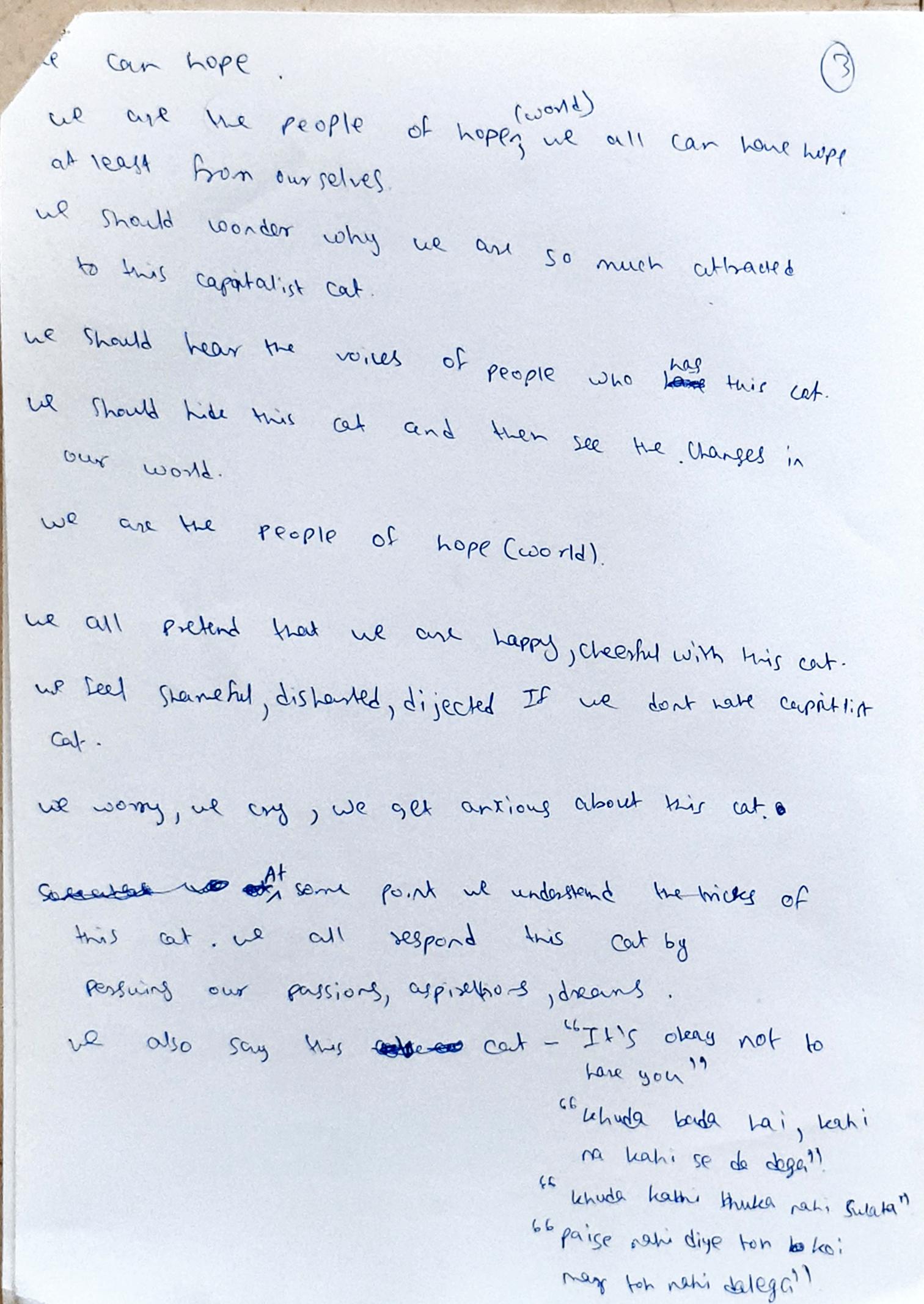
We can hope.
We are the people of hope (world). We all can have hope at least from ourselves. We should wonder why we are so much attached to this capitalist cat. We should hear the voices of people who hate this cat. We should hate this cat and then see the changes in our world.
We are the people of hope (world).
We all pretend that we are happy, cheerful with this cat. We feel shameful, disturbed, dejected if we don't have capitalist cat. We worry, we cry, we get anxious about this cat. At some point we understand the tricks of this cat. We all respond to this cat by pursuing our passions, aspirations, dreams.
We also say this to the cat: "It's okay not to have you." "Khwaab badle hai, kahin na kahin so do dega." "Khuda hum thodak panch peelen." "Paise nahi diye toh kal toi may toh nahi delegi."
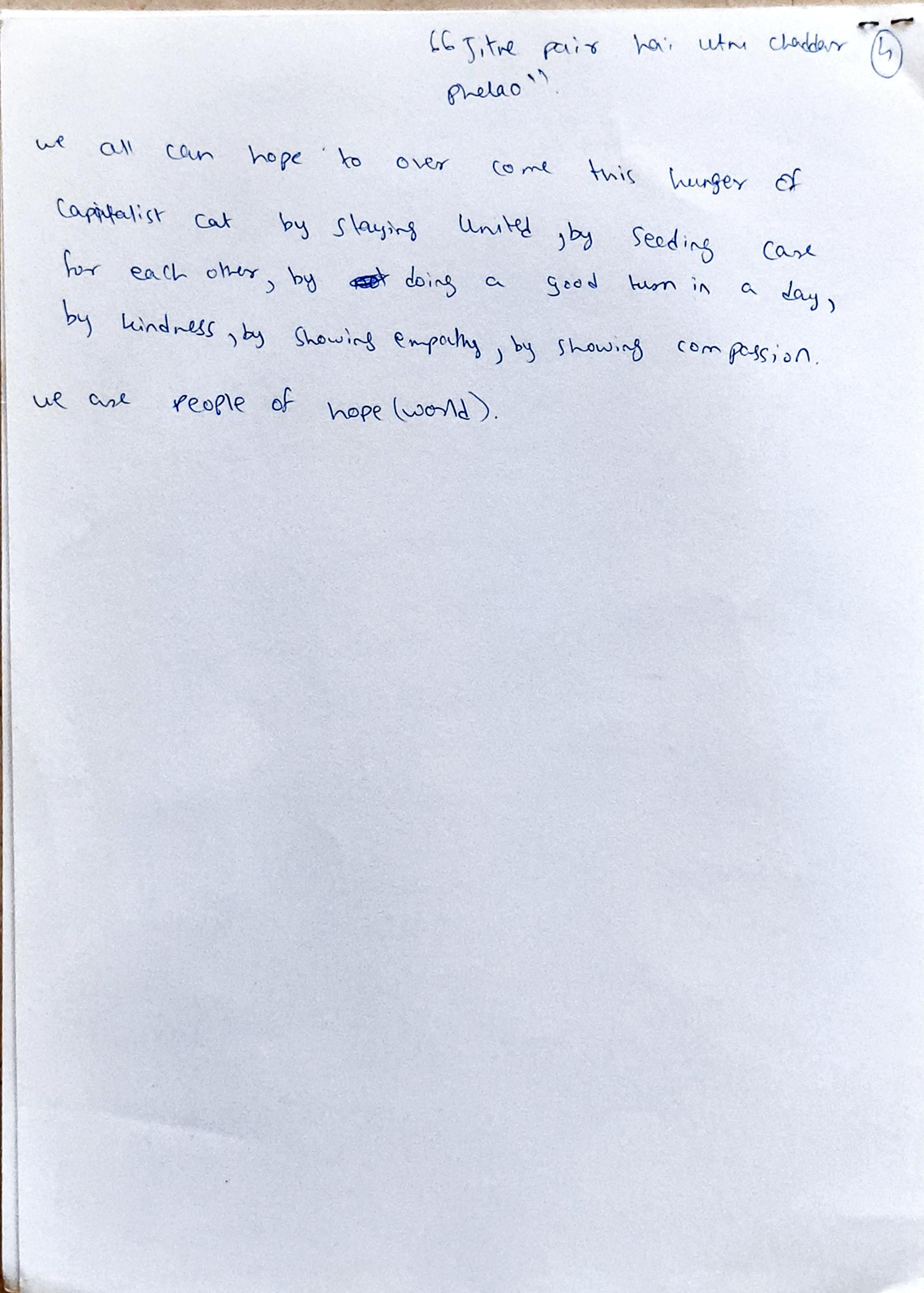
"Jitne pair hai, utna chaadar phelao."
We all can hope to overcome this hunger of capitalist cat by staying united, by seeding care for each other, by doing a good turn in a day, by kindness, by showing empathy, by showing compassion.
We are people of hope (world).
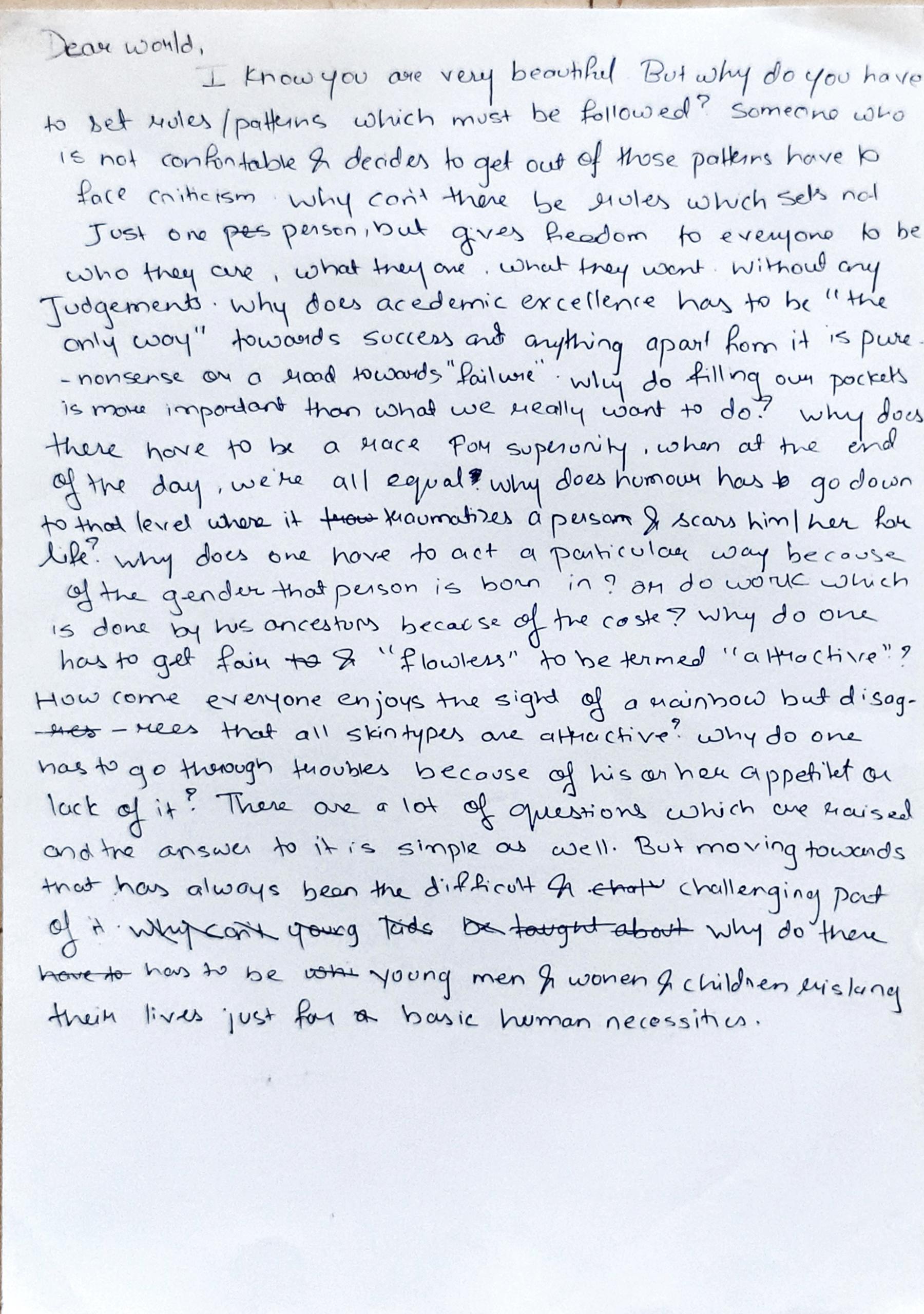
Dear world,
I know you are very beautiful, but why do you have to set rules/patterns which must be followed? Someone who is not comfortable & decides to get out of those patterns has to face criticism. Why can't there be rules which set not just one perspective, but give freedom to everyone to be who they are, what they are, what they want without any judgements? Why does academic excellence have to be the "true only way" towards success - and anything apart from it is pure nonsense or a road towards "failure"? Why do filling our pockets is more important than what we really want to do? Why does there have to be a race for superiority, when at the end of the day, we're all equal?
Why does humour have to go down to that level where it boomerangs a person & scars him/her for life? Why does one have to act a particular way because of the gender that person is born in? Or do worse - which is done by his ancestors because of the caste? Why do one has to get fair to be "flowery" - to be termed "attractive"? How come everyone enjoys the sight of a rainbow but disagrees that all skin types are attractive?
Why do one has to go through troubles because of his or her appetite or lack of it? There are a lot of questions which are raised and the answer to it is simple as well. But moving towards that has always been the difficult & challenging part of it… Why does there have to be young men & women & children risking their lives just for basic human necessities?
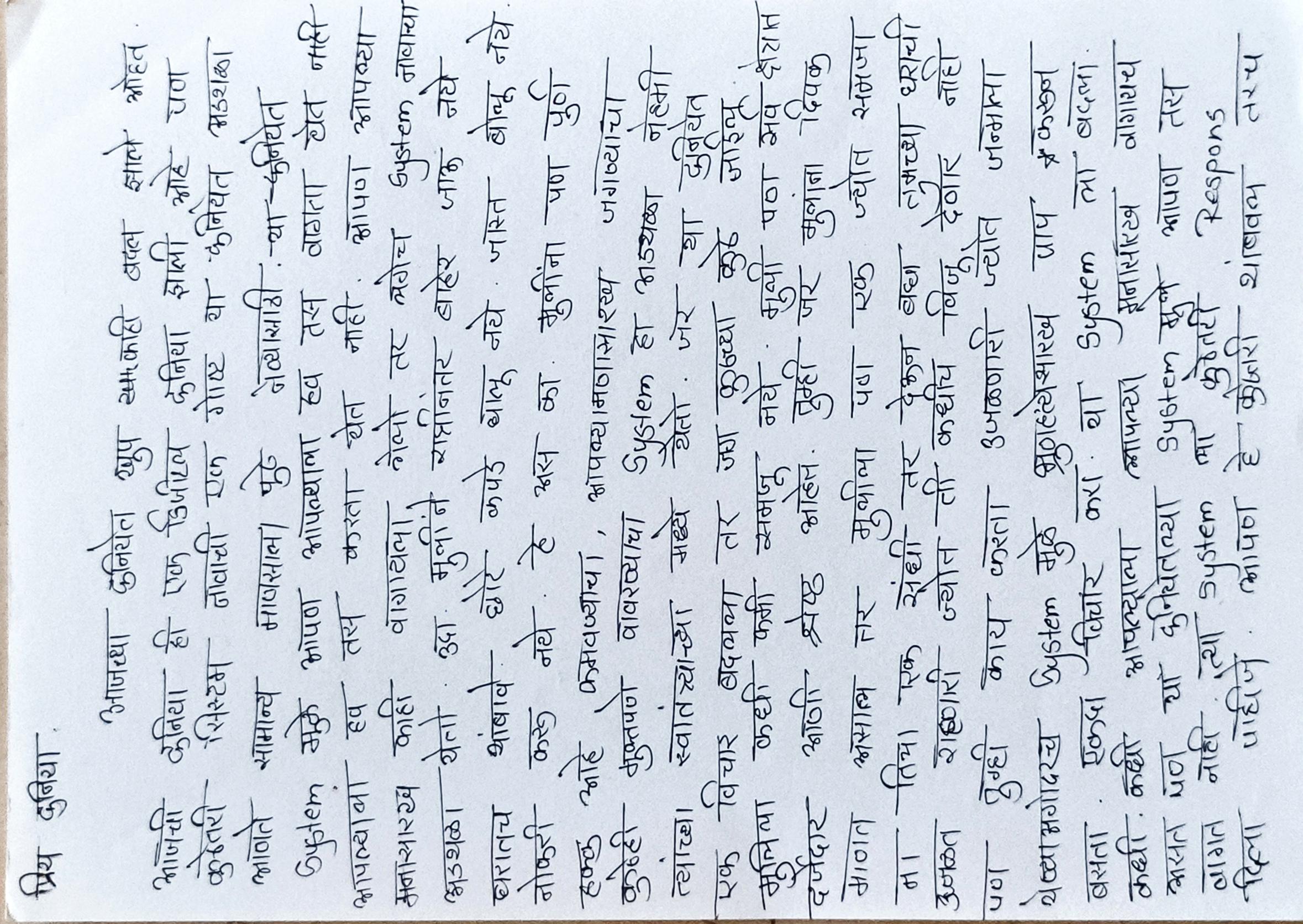
Pranali's letter (Marathi → English reading):
Dear world,
Hello. How are you doing? I really don't know how to begin this - but my world right now is not okay. There's so much I want to say. I have been a part of you, of your system, for as long as I remember. I have walked inside your rules, kept inside the boxes you decided I belong in, and tried to live by what you decided was acceptable. But the cost of that has been heavy.
You taught me that the way I was born is the way I have to live. That if I want a different life, I have to fight for it on your terms - in your language, in your English, in the way you have decided 'success' looks. Why is it that the moment I say something in my own language, in my own way, you decide I have nothing to say? Why is your English the only voice you trust?
You decide who is allowed to be who. You decide which body is acceptable, which marriage is acceptable, which family is a family. You take a top-secret "control" over our lives, and we are expected to perform happiness inside it. The problems that come from this are not small - they sit on people's chests, they shape who is allowed to dream, who is allowed to rest.
I want to tell you: I see what you are doing. I am tired of pretending that this is just how things are.
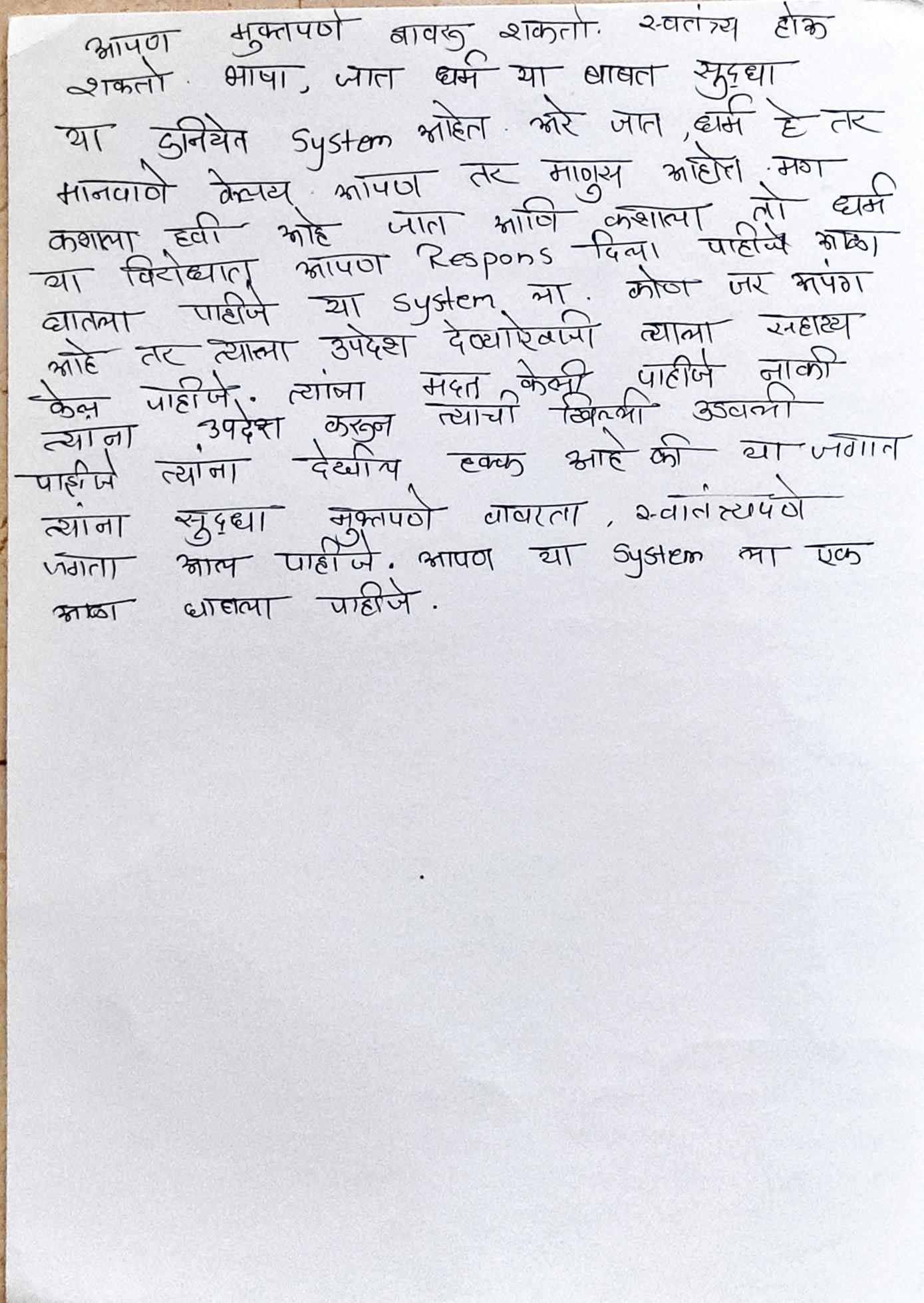
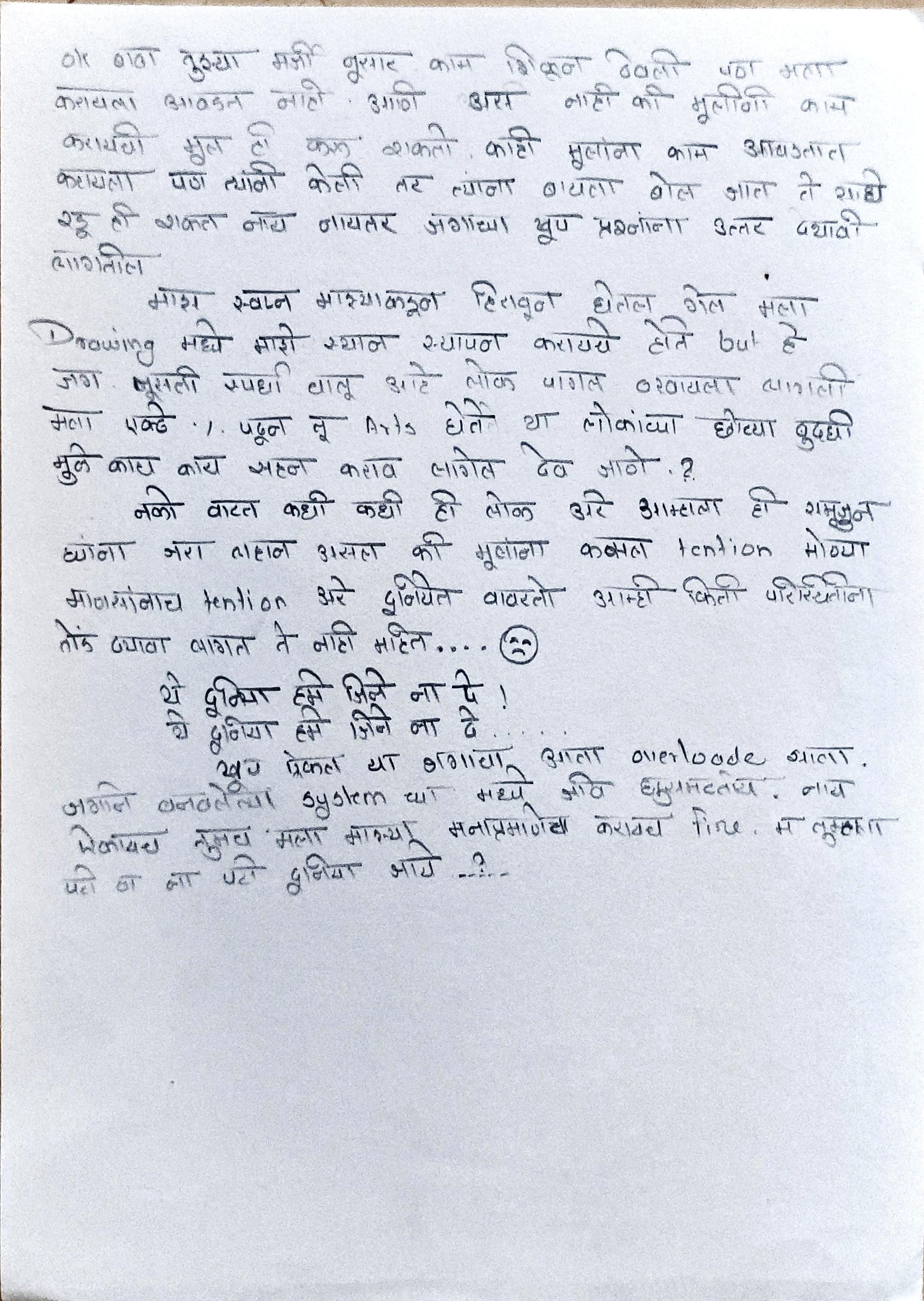
Continued - Pranali's letter (page 2):
Once, when I said I love drawing - that I want to take Arts as my subject - I saw eyebrows go up around me. "Arts ghete tar lokanchya dolyatil bhuvai…" - the moment a girl says she wants to take Arts, eyebrows lift, voices drop. Why? Why do you decide that a path is small only because the person walking it is one of us? Why is what I love treated as a problem to be solved?
I have so many tensions that I never asked for. Tensions about how I sit, how I speak, what I wear, who I am seen with, what time I come home, what I am doing with my life. When I cannot find anyone to share them with, the tension just stays in my body and grows.
So my one ask, world, is this: come and meet me without overloading me. Listen to me without arranging me. Let me draw the lines of my own life, even if they don't look like the lines you would have drawn. I am not asking you to agree with me. I am asking you to make a small, honest space for me.
That is enough. That would be everything.
- Pranali
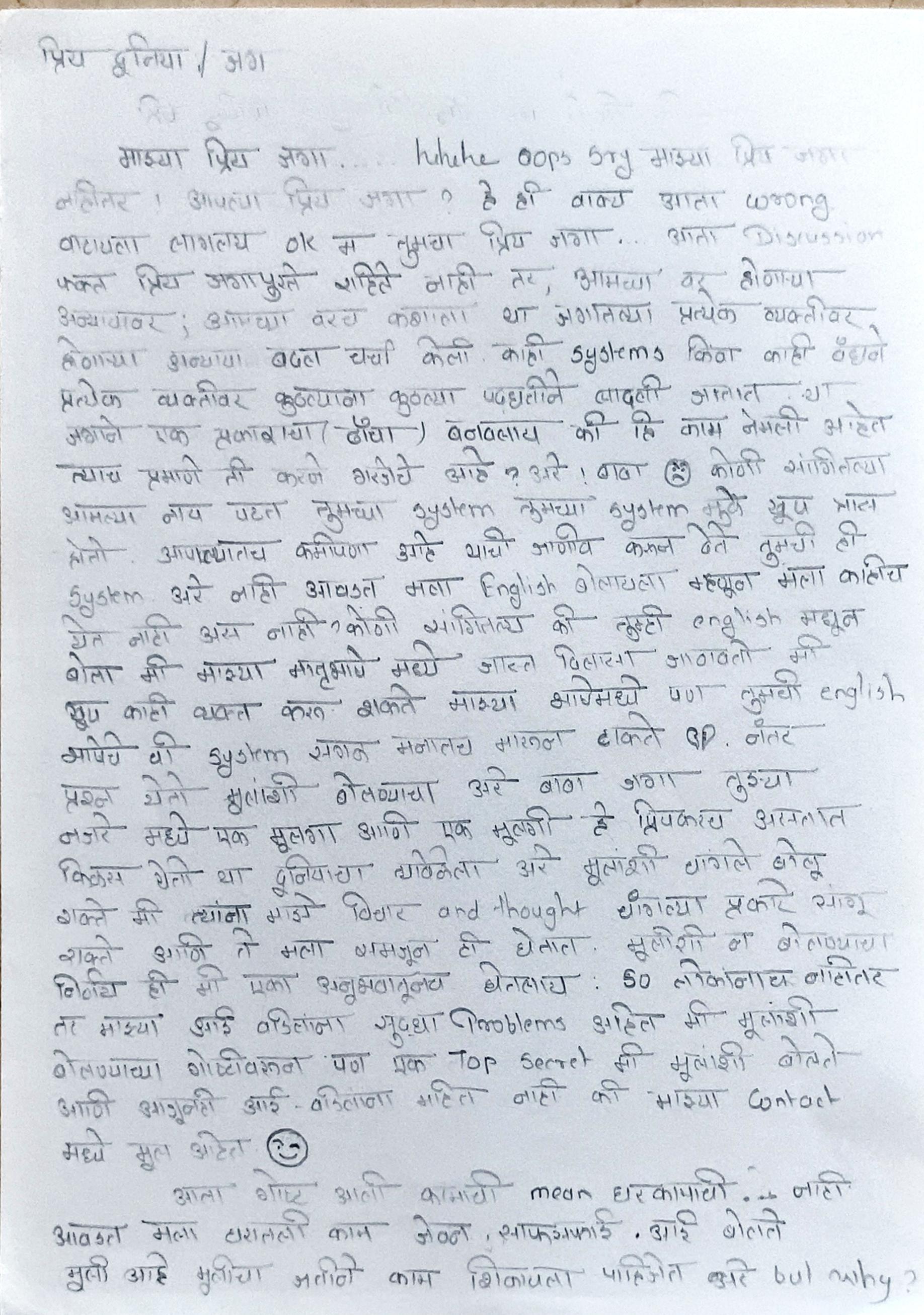
Sneha's letter (Marathi → English reading):
Dear world (प्रिय जग),
I have been thinking about you a lot. About all the things you have built - religion, language, caste, country, gender - and how each of those things has been turned into a wall. A human being is one thing. A human body is one thing. We are all made of the same skin and bones and breath. Then how is it that you have arranged us into so many different categories, and decided that some categories are higher than others?
I cannot understand the reason for this. I look around me and I see people who could be friends, who could share food and stories and rest, being kept apart because someone, somewhere, decided their religion or their language or their caste was not the same. The system you have built does not let us be human with each other.
You decide which language is respectable, which religion is dignified, which caste is allowed to enter which door. None of that was given by anyone we can see. It was given by people, and people can take it back.
Continued - Sneha's letter (page 2):
I refuse to accept that we were ever meant to be sorted this way. Language was made so we could understand each other, not so we could rank each other. Religion was meant to be a place to rest, not a place to fight from. Caste was nobody's idea of fairness - it was somebody's idea of power.
So I am writing to say: I will not respond to your system. I will not measure my friends by the labels you have given them. I will not stay quiet about what I see. The way I want to live is simple - to meet a person as a person, to listen to a person as a person, and to let go of every wall that was built by someone else's fear.
That is the only way I know how to be in the world.
- Sneha
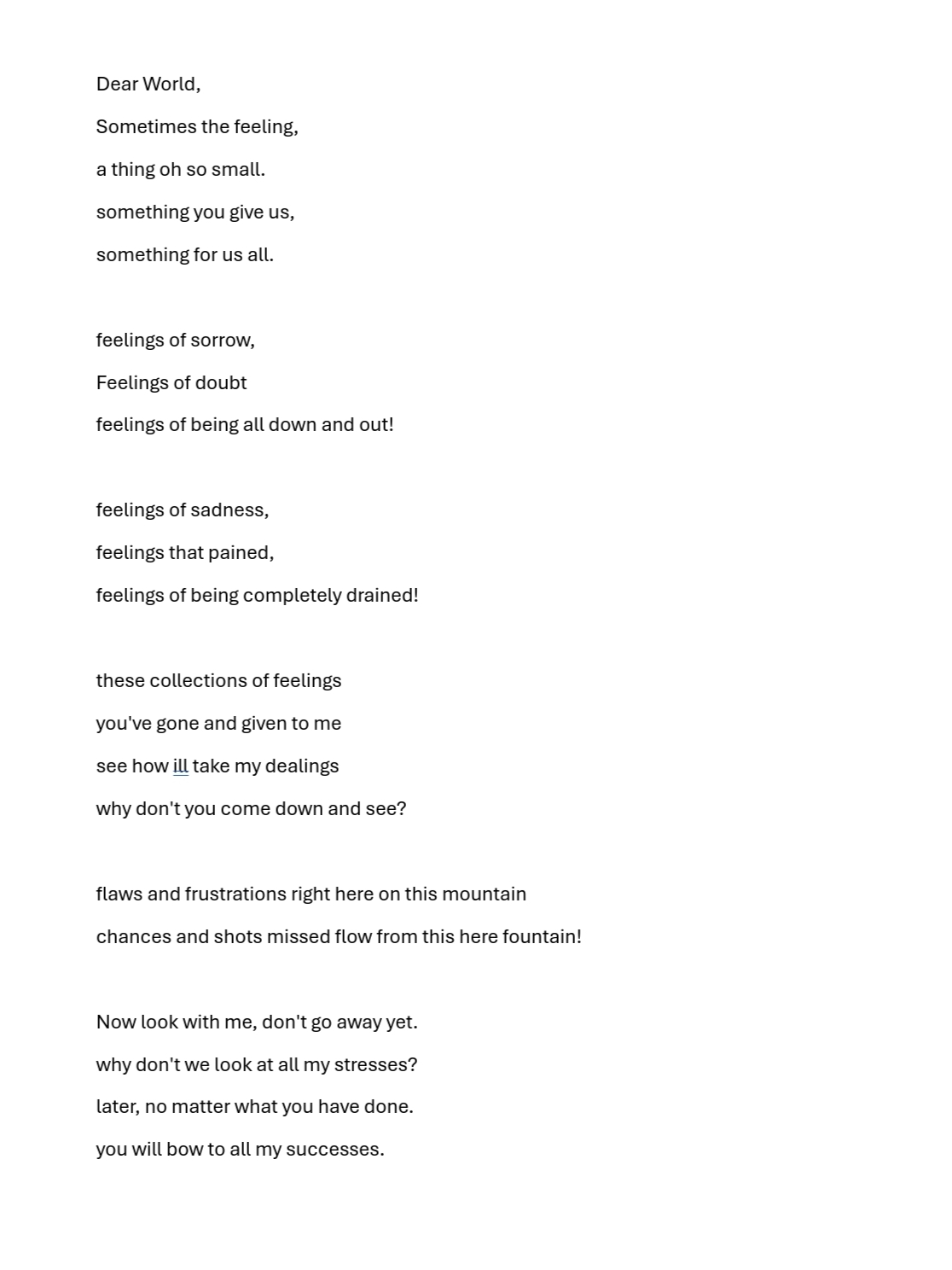
Dear World,
Sometimes the feeling,
a thing oh so small.
something you give us,
something for us all.
feelings of sorrow,
Feelings of doubt
feelings of being all down and out!
feelings of sadness,
feelings that pained,
feelings of being completely drained!
these collections of feelings
you've gone and given to me
see how ill take my dealings
why don't you come down and see?
flaws and frustrations right here on this mountain
chances and shots missed flow from this here fountain!
Now look with me, don't go away yet.
why don't we look at all my stresses?
later, no matter what you have done.
you will bow to all my successes.
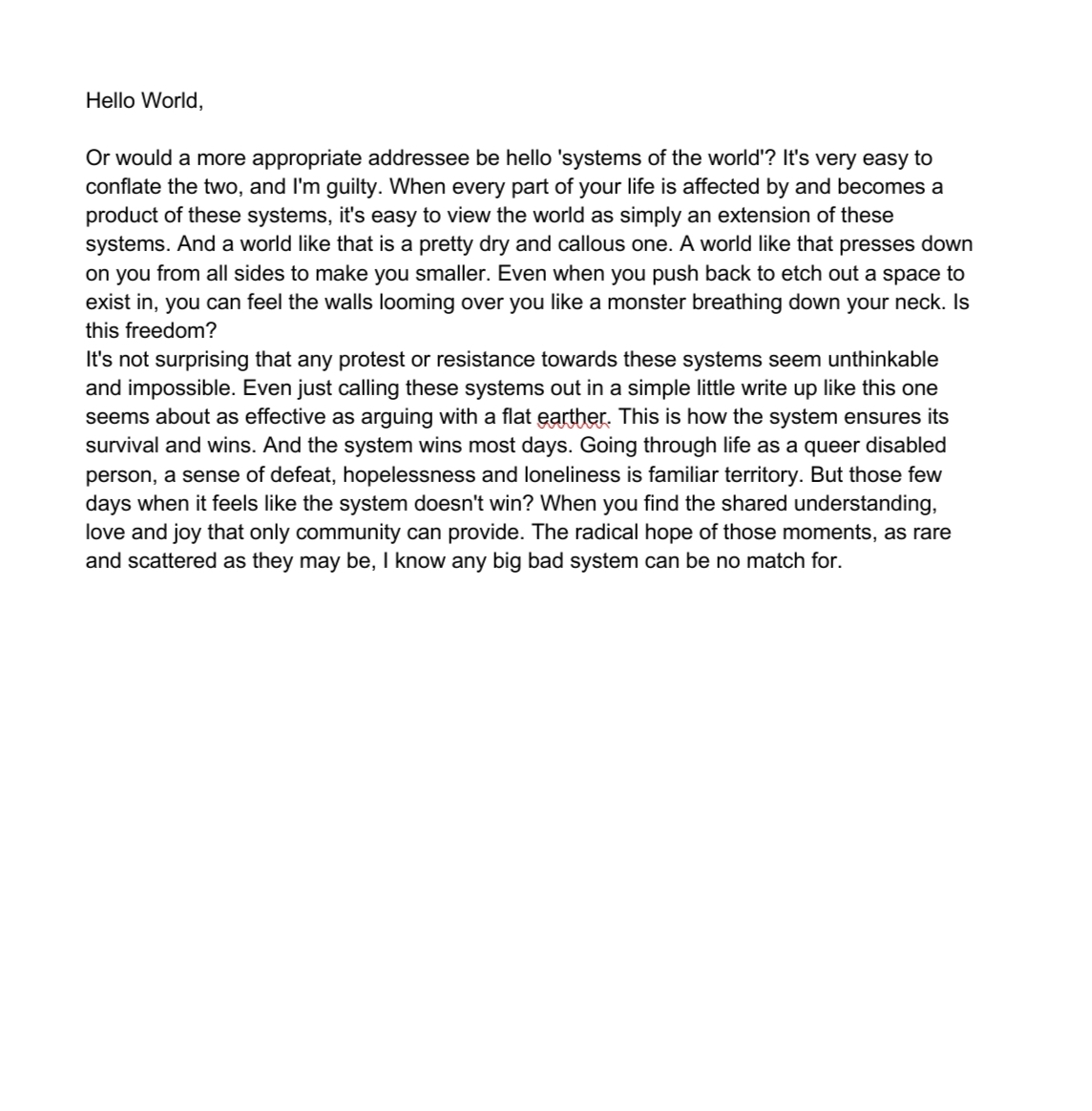
Hello World,
Or would a more appropriate addressee be hello 'systems of the world'? It's very easy to conflate the two, and I'm guilty. When every part of your life is affected by and becomes a product of these systems, it's easy to view the world as simply an extension of these systems. And a world like that is a pretty dry and callous one. A world like that presses down on you from all sides to make you smaller. Even when you push back to etch out a space to exist in, you can feel the walls looming over you like a monster breathing down your neck. Is this freedom?
It's not surprising that any protest or resistance towards these systems seem unthinkable and impossible. Even just calling these systems out in a simple little write up like this one seems about as effective as arguing with a flat earther. This is how the system ensures its survival and wins. And the system wins most days. Going through life as a queer disabled person, a sense of defeat, hopelessness and loneliness is familiar territory. But those few days when it feels like the system doesn't win? When you find the shared understanding, love and joy that only community can provide. The radical hope of those moments, as rare and scattered as they may be, I know any big bad system can be no match for.
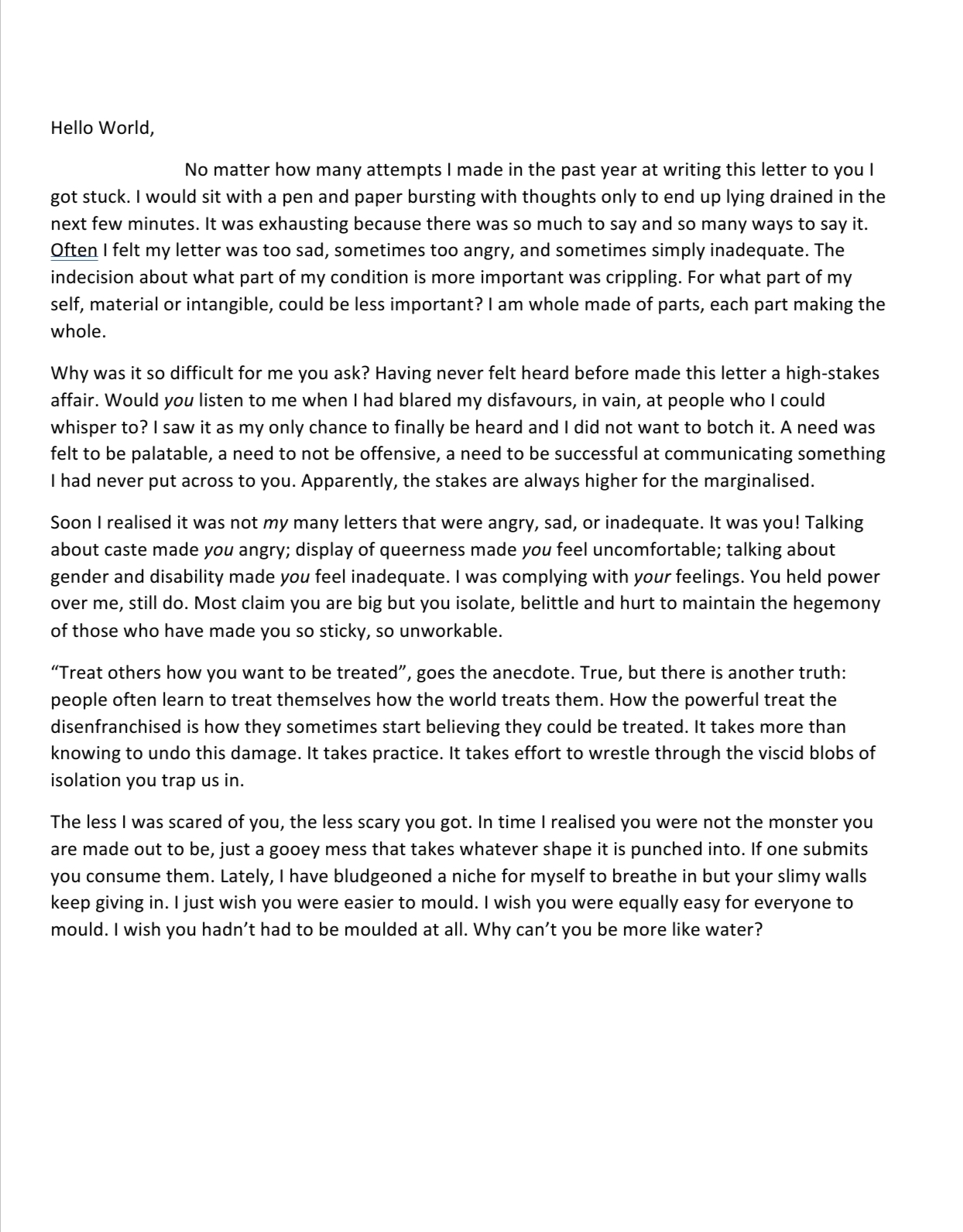
Hello World,
No matter how many attempts I made in the past year at writing this letter to you I got stuck. I would sit with a pen and paper bursting with thoughts only to end up lying drained in the next few minutes. It was exhausting because there was so much to say and so many ways to say it. Often I felt my letter was too sad, sometimes too angry, and sometimes simply inadequate. The indecision about what part of my condition is more important was crippling. For what part of my self, material or intangible, could be less important? I am whole made of parts, each part making the whole.
Why was it so difficult for me you ask? Having never felt heard before made this letter a high-stakes affair. Would you listen to me when I had blared my disfavours, in vain, at people who could whisper to? I saw it as my only chance to finally be heard and I did not want to botch it. A need was felt to be palatable, a need to not be offensive, a need to be successful at communicating something I had never put across to you. Apparently, the stakes are always higher for the marginalised.
Soon I realised it was not my many letters that were angry, sad, or inadequate. It was you! Talking about cause made you angry; display of queerness made you feel uncomfortable; talking about gender and disability made you feel inadequate. I was complying with your feelings. You held power over me, still do. Most claim you are big but you isolate, belittle and hurt to maintain the hegemony of those who have made you so sticky, so unworkable.
"Treat others how you want to be treated", goes the anecdote. True, but there is another truth: people often learn to treat themselves how the world treats them. How the powerful treat the disenfranchised is how they sometimes start believing they could be treated. It takes more than knowing to undo this damage. It takes practice. It takes effort to wrestle through the vivid blobs of isolation you trap us in.
The less I was scared of you, the less scary you got. In time I realised you were not the monster you are made out to be, just a gooey mess that takes whatever shape it is punched into. If one submits you consume them. Lately, I have bludgeoned a niche for myself to breathe in but your slimy walls keep giving in. I just wish you were easier to mould. I wish you were equally easy for everyone to mould. I wish you hadn't had to be moulded at all. Why can't you be more like water?
On day 1, each participant drew or wrote what they would want their world to look like - highlighting their hopes and dreams.
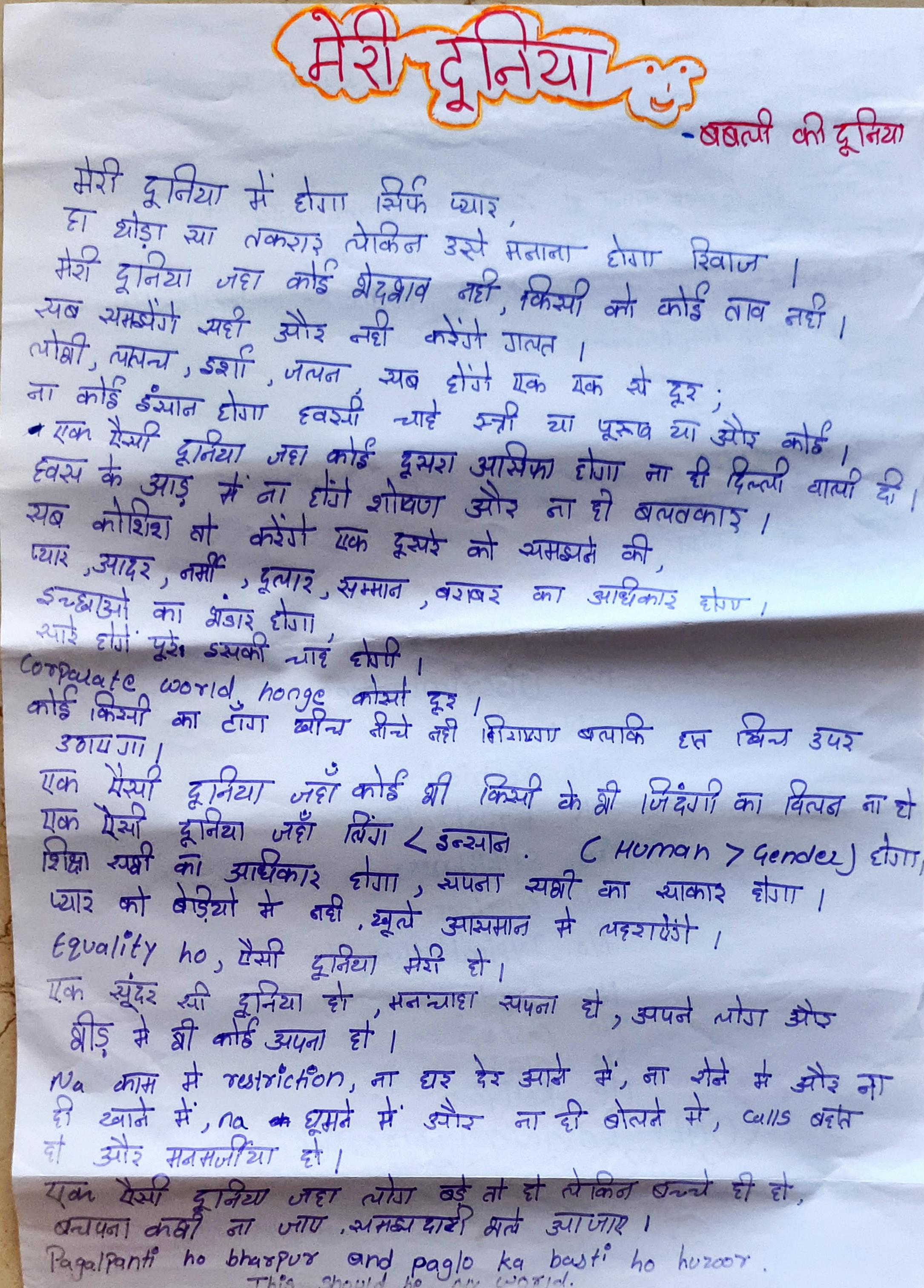
मेरी दुनिया - बबली की दुनिया
In my world there are no fights, no quarrels - and if there ever are, there is a way to resolve them. There is no discrimination given to anyone. No one is alone. There is no poverty, no hunger, no jealousy, no hatred. None of that, ever.
The sun rises but it does not burn the skin. The rain falls but it does not break houses. Language is not a wall, and no one is laughed at for not knowing English. Equality is a verb. Every family is a family. Human comes before gender. Children of every shape, colour, and ability are loved exactly as themselves.
That is my world. That is Babli's world.
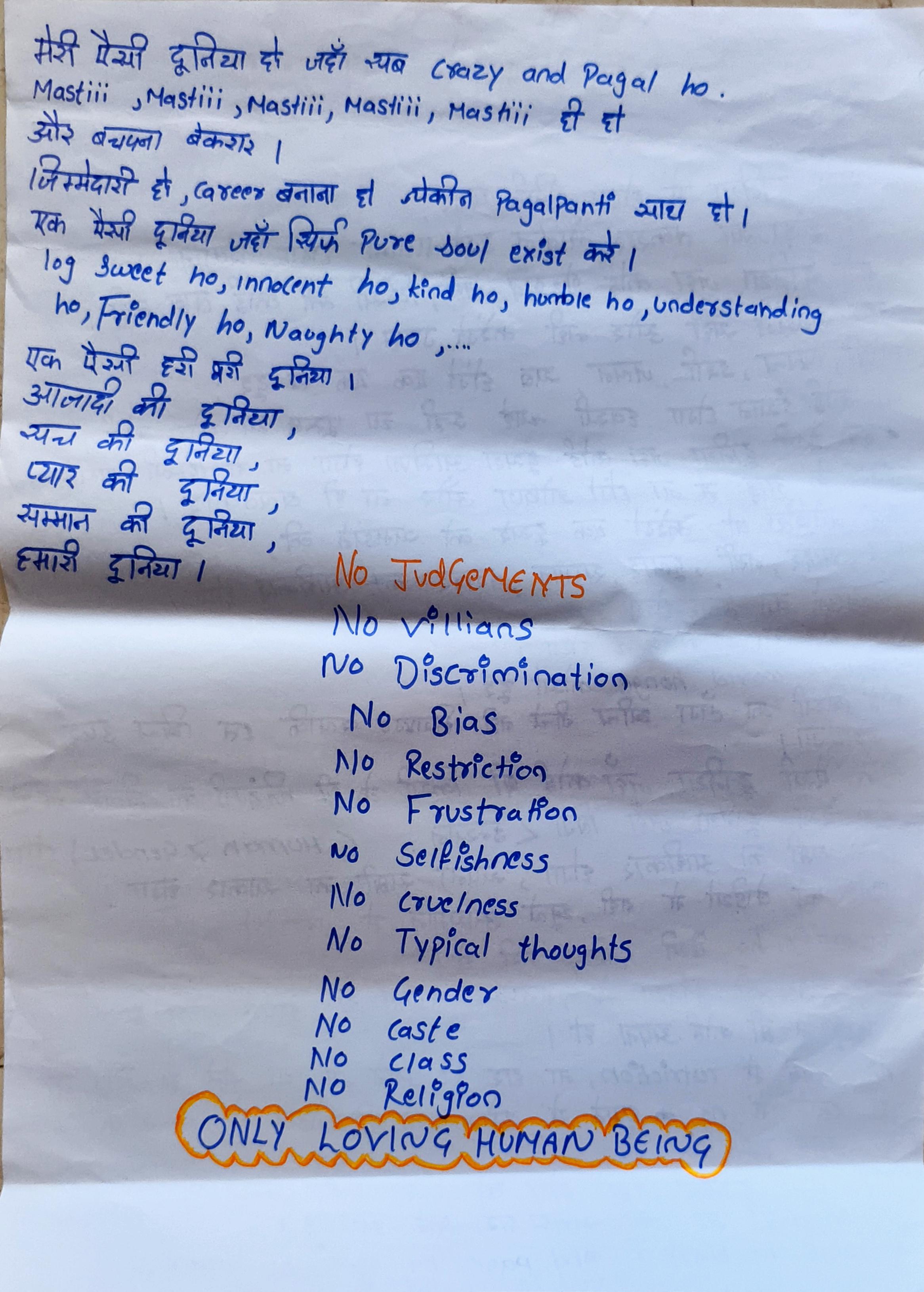
Continued - Babli's manifesto:
"My world is where everyone is crazy and pagal. Mastiii, mastiii, mastiii, mastiii, mastiii hi ho. Aur banana bekarib! Nirmadari ho, career banana ho, lekin pagalpanti zyada ho. A world where pure soul exists - log sweet ho, innocent ho, kind ho, humble ho, understanding ho, friendly ho, naughty ho. Aabadi ki duniya, pyaar ki duniya, samaan ki duniya - hamari duniya."
No Judgements · No Villains · No Discrimination · No Bias · No Restriction · No Frustration · No Selfishness · No Cruelness · No Typical thoughts · No Gender · No Caste · No Class · No Religion
ONLY LOVING HUMAN BEING.
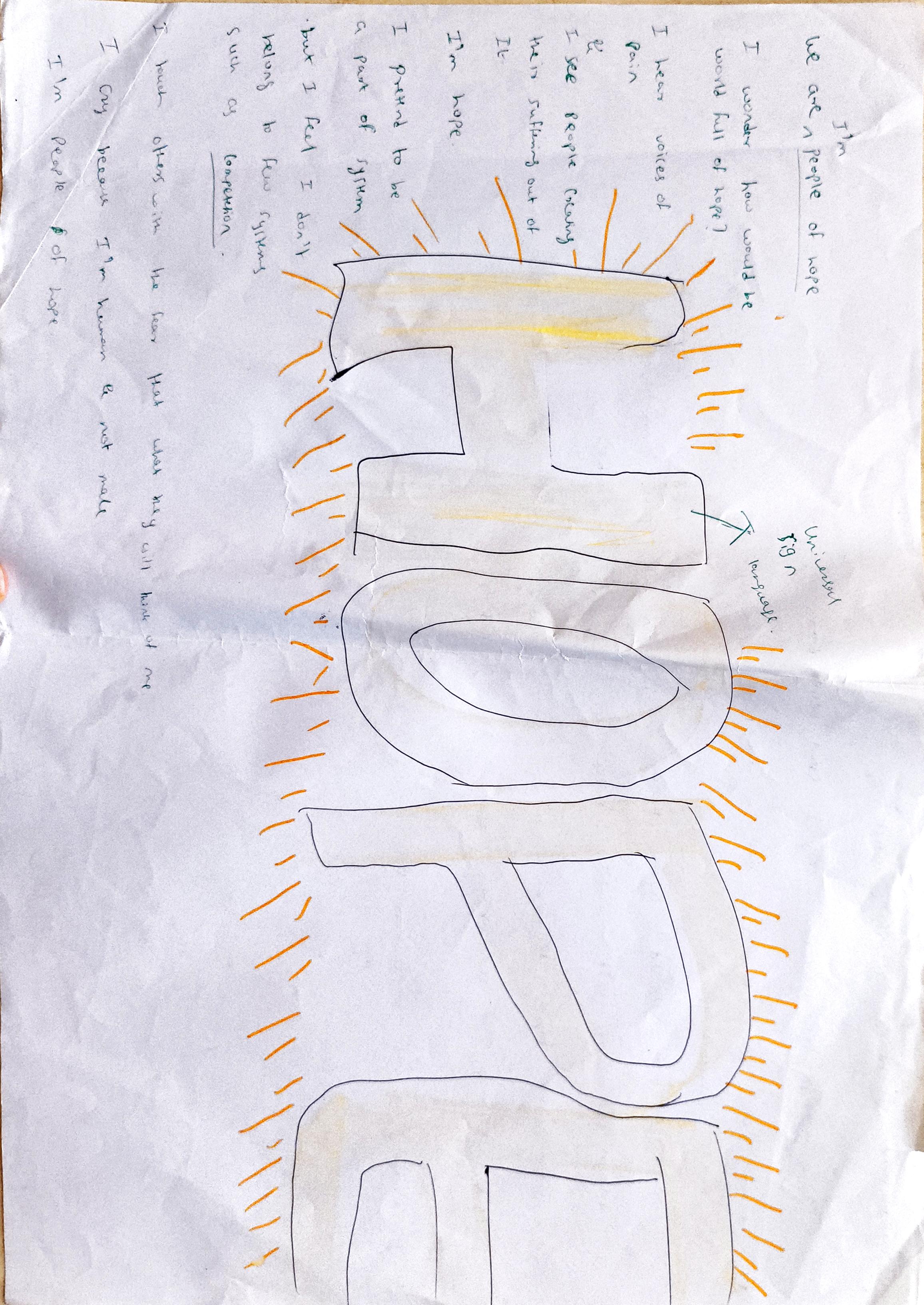
Visible inscription (top-left): "I have a sense of hope. The other side of this can be reaching out of it. I'm hopeful for a place that is healing & not toxic."
Centred drawing: HOPE - block letters, sun rays around them.
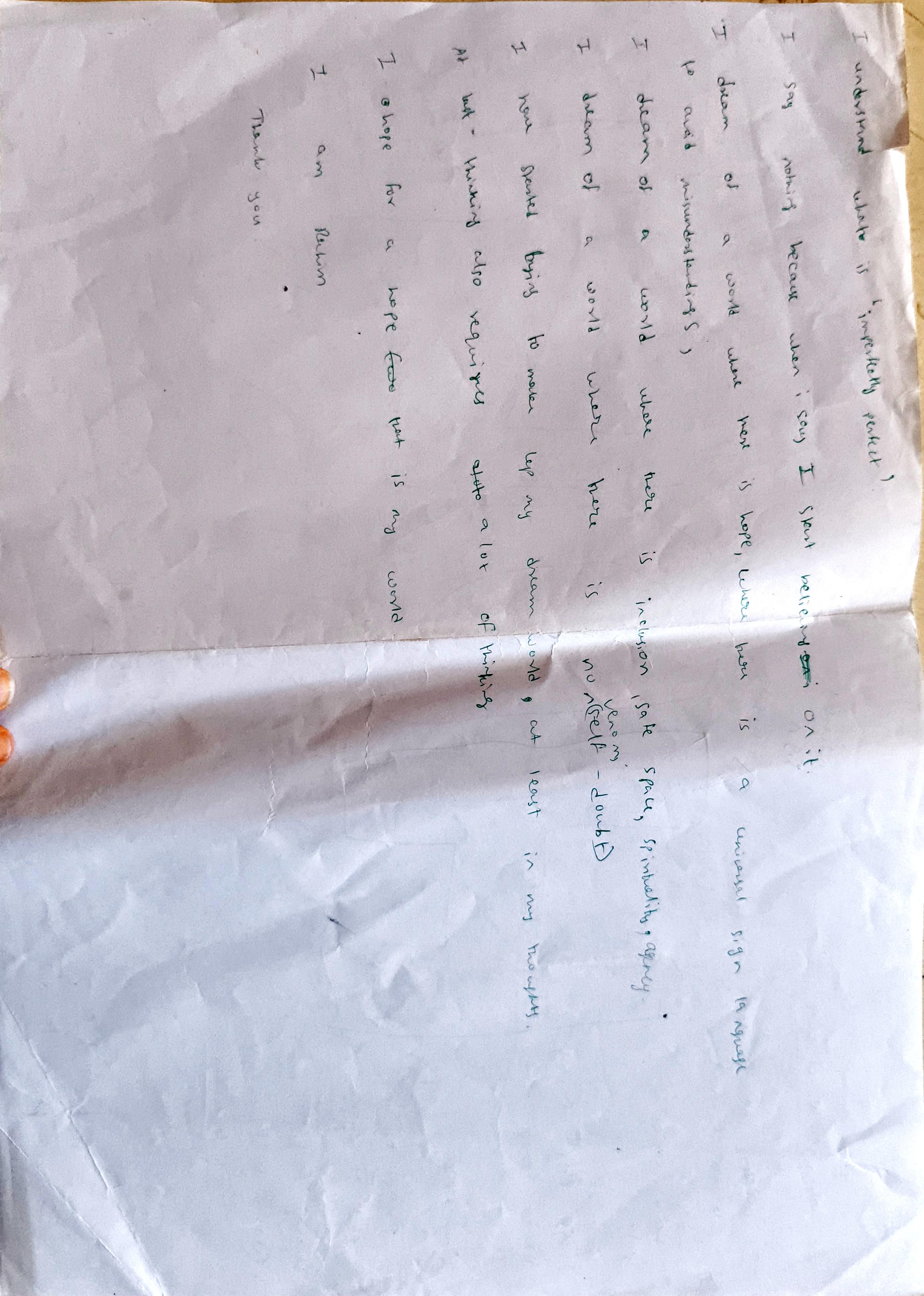
I dream of a world where -
1. We understand each & everyone fully.
2. I (we) recognise our hope.
3. I dream of a world where I love each & every flower, animal, sea, sky, etc.
4. I dream of a world where there is freedom, friendship, opportunity (and freedom - doubted).
5. I dream of a world where helping each other matters more than anything else.
6. I dream of a world that is beautiful to my heart.
I am hopeful. Thank you.
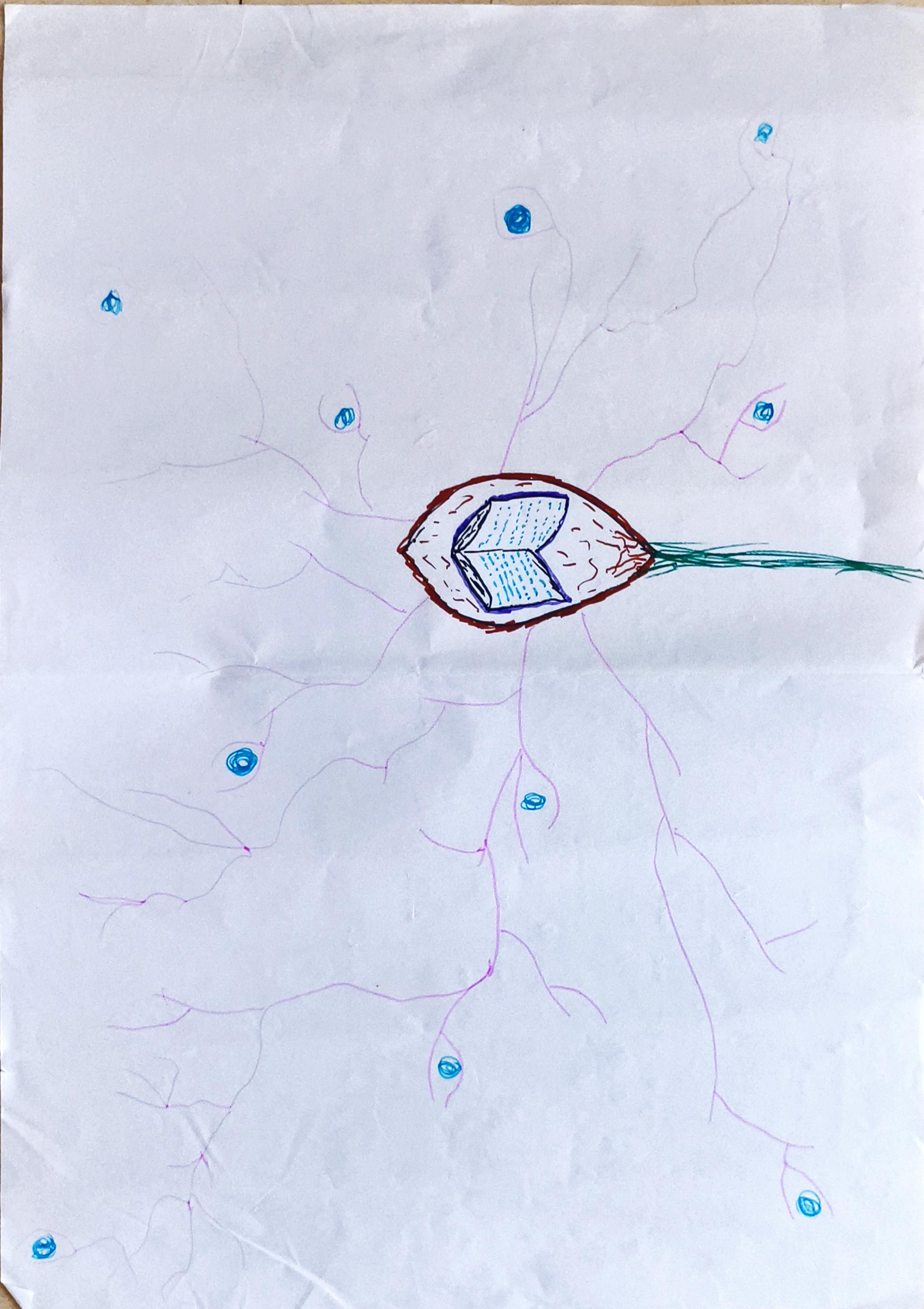
Jai drew his world without words.
An open book sits cradled inside a leaf at the centre of the page. From it, fine roots branch outward in every direction, and each root ends in a small blue circle. Knowledge as something rooted, something that reaches, something that connects everyone without needing a hierarchy.
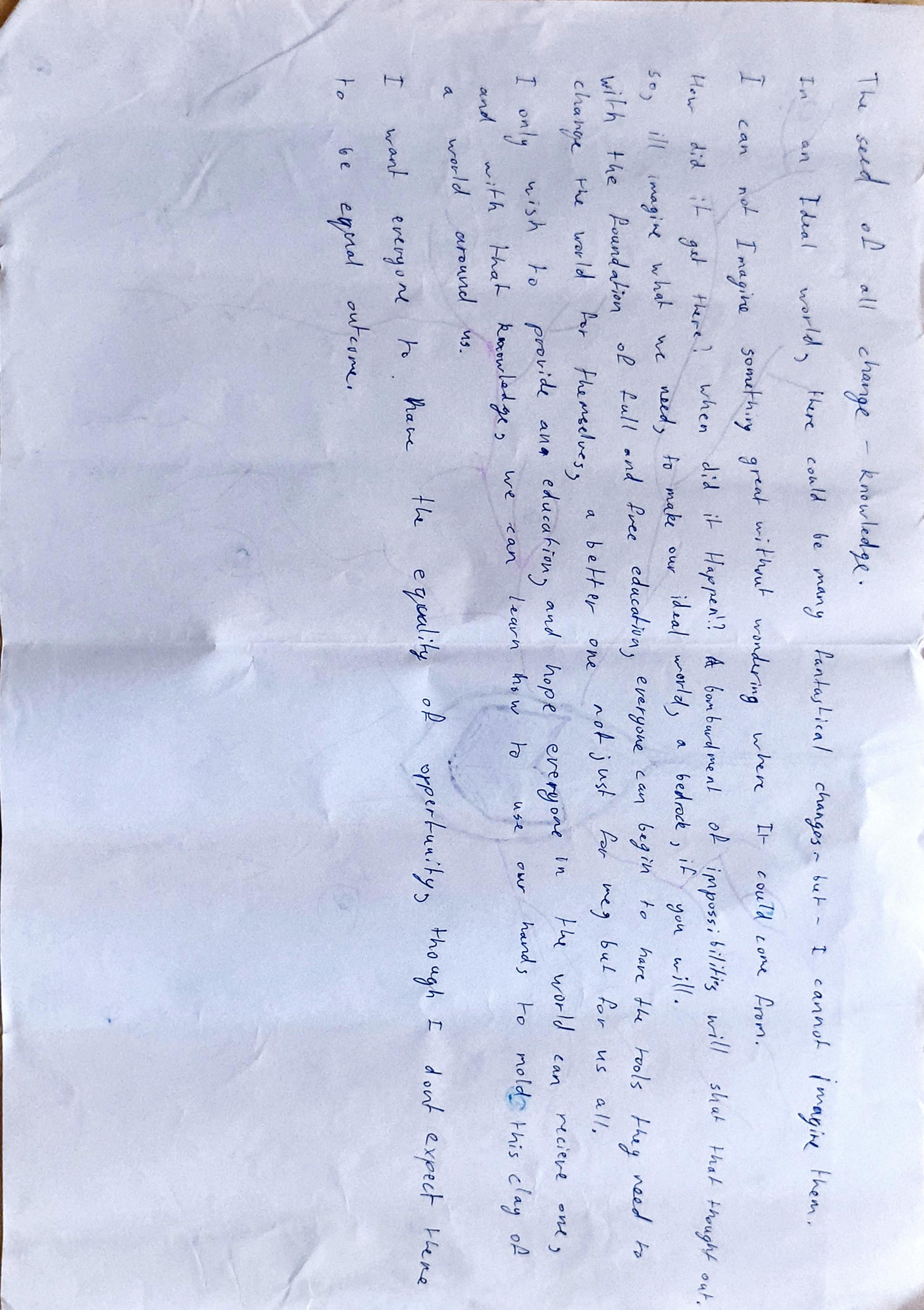
The seed of all change is knowledge.
I cannot imagine the world being anything except a place where everyone has access to it. With the foundation of full and free education, the rest follows. We do not need to wait for the world to give it to us - we can begin to build it ourselves, one person reading and one person teaching at a time.
I wish for peace. I wish for equality. I wish for opportunity. I do not expect any of them to be handed out fairly anywhere - but I will keep wishing for them, and keep working toward them, until they are.
Thank you.
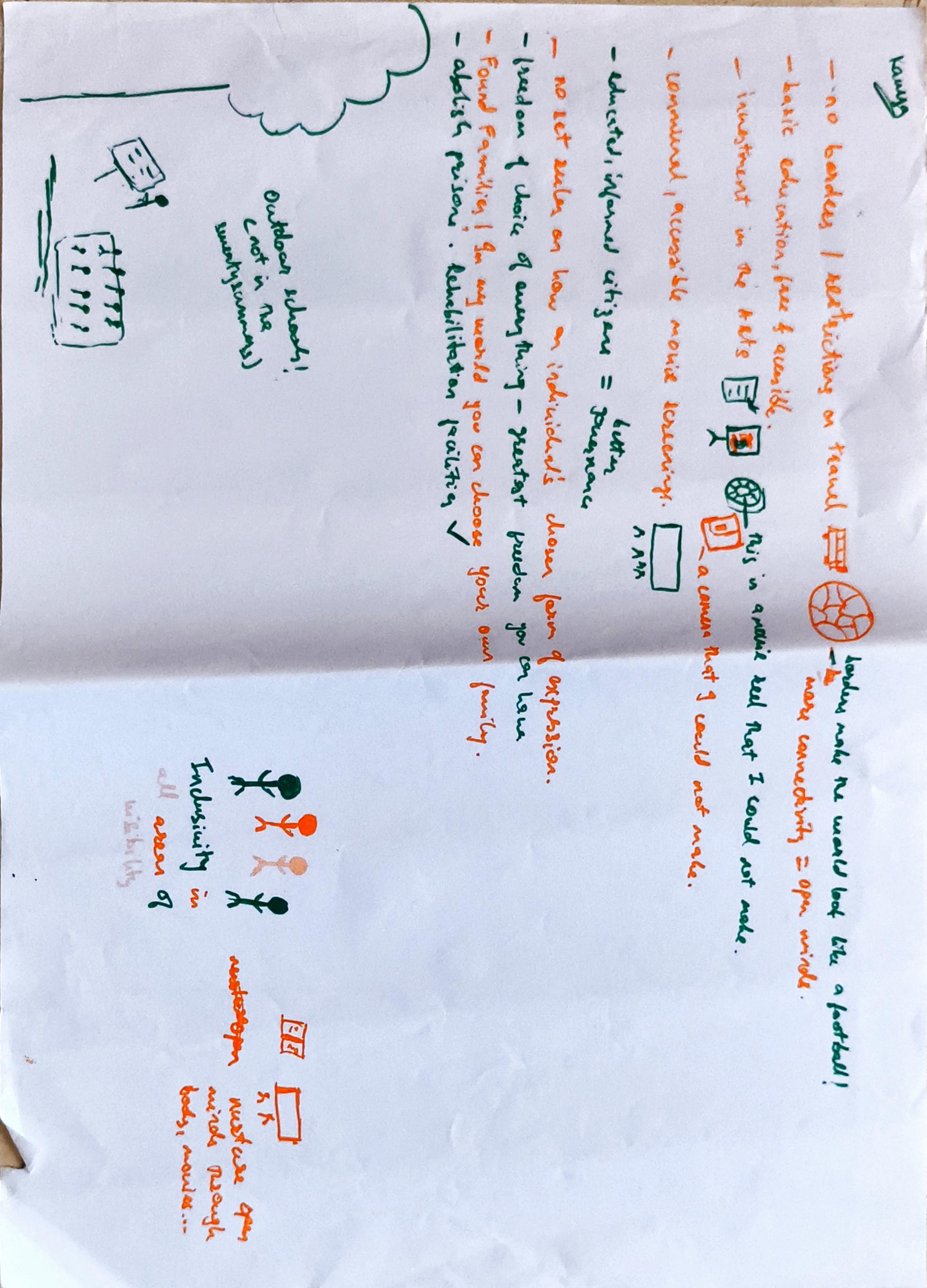
Top of the page:
Bottom of the page:
"Inclusivity in all areas of life." Stick figures in many colours; icons for media, family, religion, mental health, physical, body image.
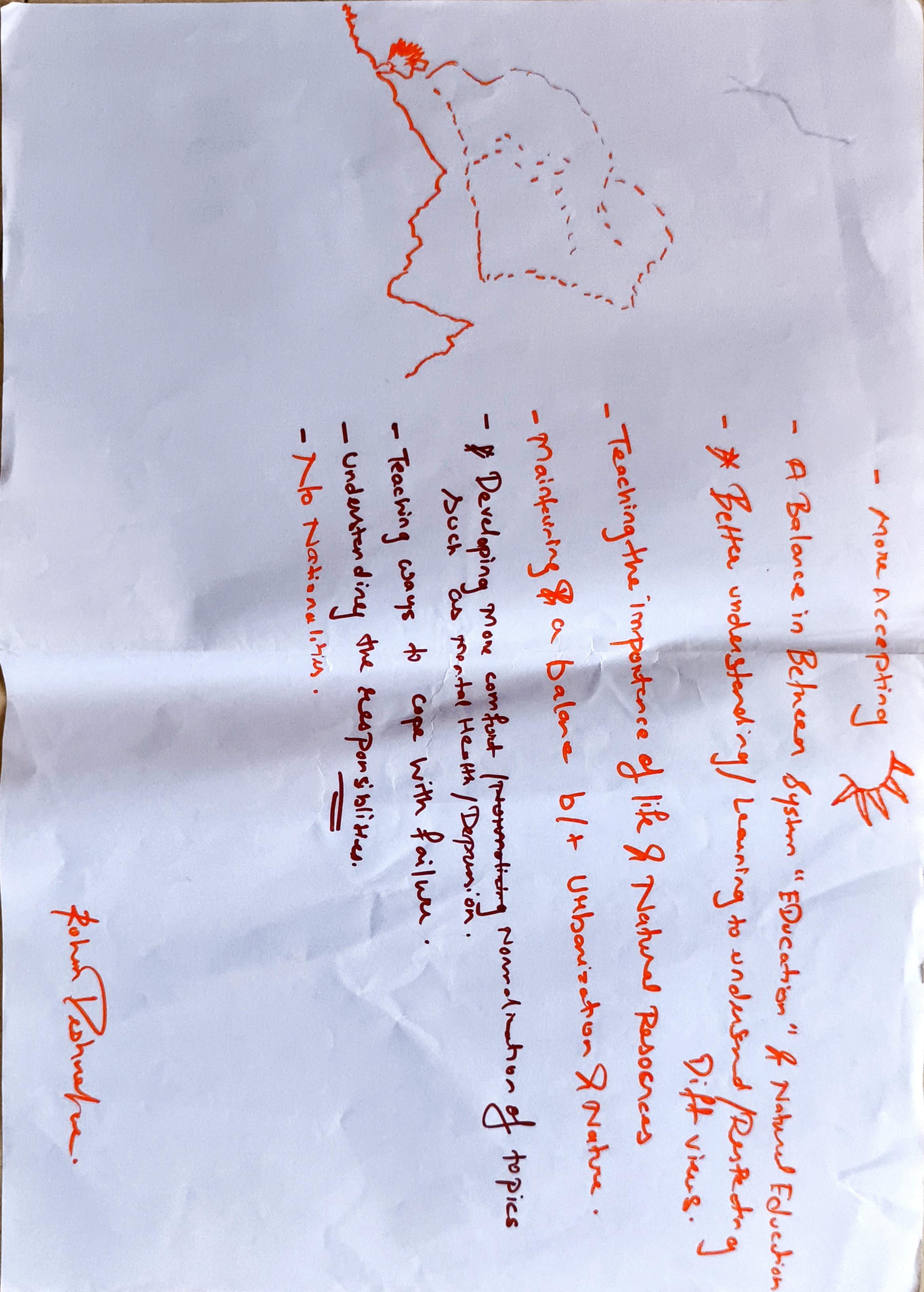
Rohan's list (top-of-page heading): "More acceptance ❤"
- Rohan Damodara
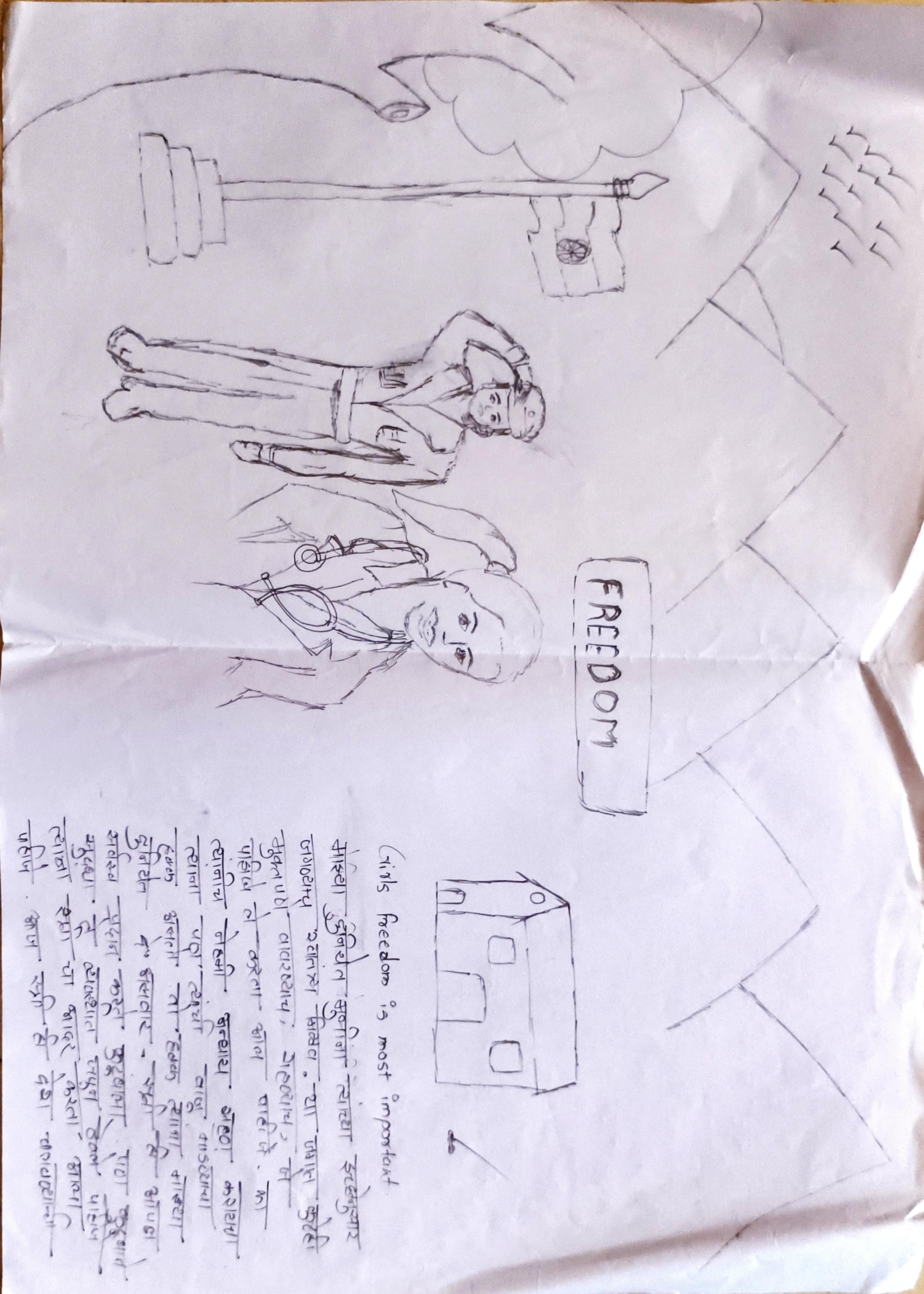
Top right of page (in English): "Only freedom is most important."
Marathi paragraph (Pranali's reading of her own world):
In my world, the very first thing - the only thing that matters - is freedom. Freedom to be who I am without asking anyone's permission. Freedom for the smaller person beside me to grow up without inheriting somebody else's idea of how she has to be. Freedom from the constant weighing of how I sit, how I dress, how I speak, who I love.
I drew the key above us - not in our hands - because freedom is not something we have to earn. It is something the world has to stop holding onto. The day the world lets the key fall, both of us, and everyone like us, will be able to walk out of the house we never chose to live in.
That is my world: a small open door, and the key on the floor beside it, and us walking through.
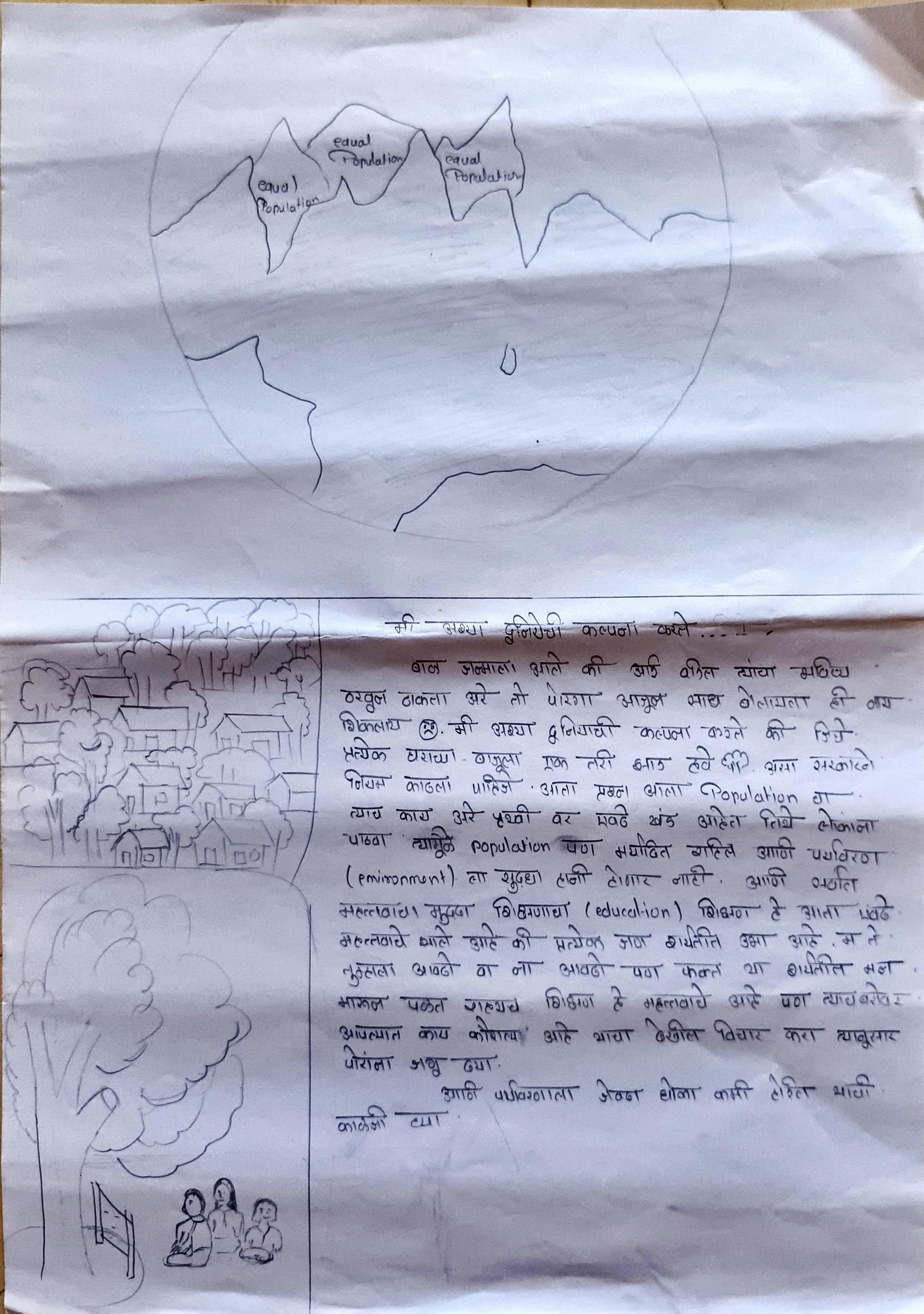
The drawing: A circle at the top of the page holds three sharp peaks, each labelled with something Sneha refuses to accept as inevitable - Global Warming, Sexual Exploitation, Sexual Production. A single teardrop falls from the circle. Below, a small village of houses on the left; on the lower-left, a tree with three figures sitting together beneath it.
Marathi paragraph (Sneha's reading of her own world):
The world I want to live in is a world that is in balance - population in balance with what the earth can hold, education that reaches every child without asking who their parents are, work that gives people dignity instead of exploiting them. Climate care has to begin in how we actually live, not in the speeches we make about it. Sexual exploitation and sexual violence have to stop being treated as someone else's problem.
Below the mountains, I drew the village I want - small houses where people know each other, and a tree under which three friends are sitting together. That is the picture in my head. Not towers. Not walls. A tree, three friends, and enough quiet around them to actually hear each other.
That is the world I am drawing toward.
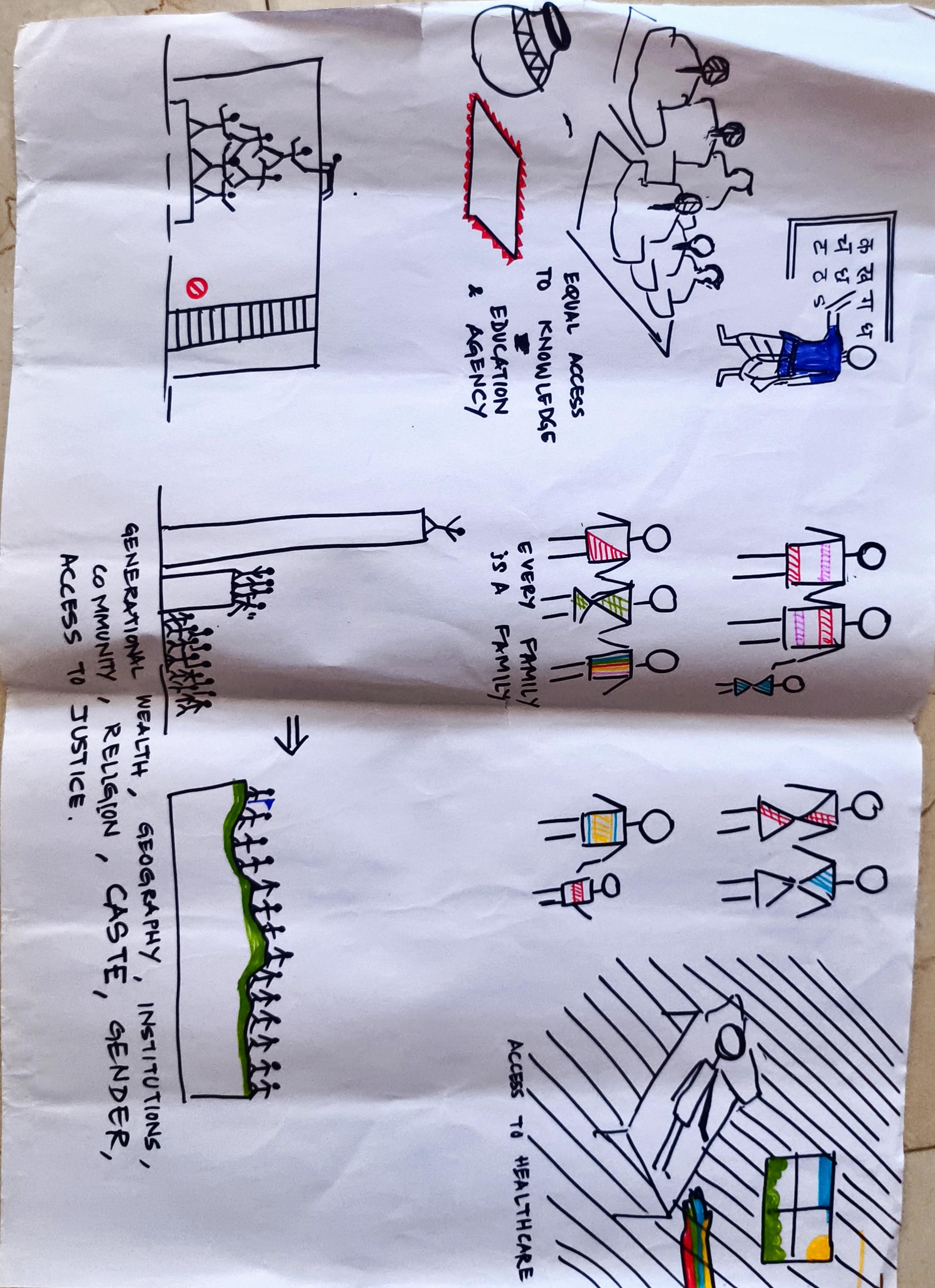
Top of page: drawings of a library/school, a globe, and a wheelchair user beside the words "Access to healthcare".
Lists running down the page: